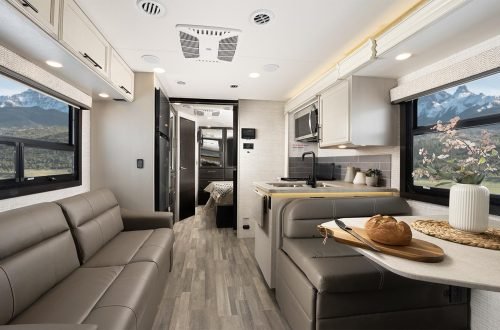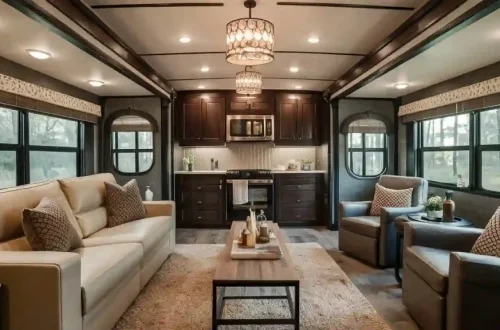
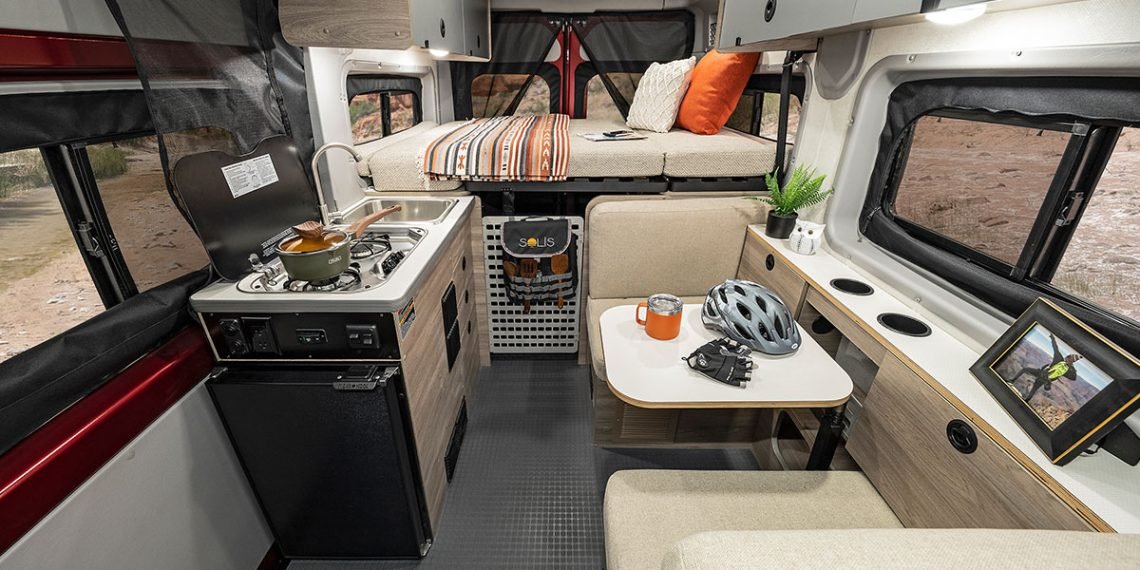
Rugs are one of the simplest ways to elevate the comfort and style of an RV. They instantly make the space feel more homey, add warmth underfoot, and tie the entire décor together. I’ve found that a good rug can completely transform the interior of an RV, making it feel more inviting and far less like a vehicle. Beyond looks, rugs also help with insulation, noise reduction, and even protecting your flooring from dirt and wear. Choosing the right ones, though, requires balancing practicality and aesthetics, especially when you’re working with limited space.
Why Rugs Matter in an RV
RVs have hard surfaces that can get chilly during cold mornings and evenings. Rugs add a layer of insulation that makes walking barefoot much more comfortable. They also absorb sound, which helps create a quieter, cozier interior. On a functional level, rugs catch dust and debris before they scatter around the space, saving you from constant sweeping and mopping.
I’ve noticed that rugs also play a huge role in defining separate living zones within the RV. A small runner can distinguish the kitchen from the lounge, while a soft mat by the bed adds a warm touch when you step out in the morning. This subtle zoning effect makes even compact RV layouts feel more organized and intentional.
Materials That Work Best for RV Rugs
The material of your rug affects everything from comfort to maintenance. Natural fibers like wool are great for warmth because they retain heat, resist dirt, and feel luxurious. However, they can be harder to clean and may not hold up as well in humid climates.
Synthetic options such as polypropylene or nylon are incredibly popular for RVs because they’re lightweight, easy to clean, and resistant to moisture and stains. I particularly like polypropylene rugs since they can handle high traffic and can even be used outdoors. Cotton rugs are another good choice if you want a soft feel and easy washing, though they may wear out faster in high-use areas.
If you prefer eco-friendly materials, consider jute or sisal rugs. They add texture and a natural vibe, though they aren’t as soft or resistant to spills. I use a jute runner in my RV entryway because it’s durable and handles dirt well.
Ideal Rug Sizes for Different RV Spaces
One of the biggest mistakes I made early on was buying rugs that were either too large or too small for my RV’s layout. Proportion matters. For the living area, a medium rug that sits neatly under the coffee table but doesn’t cover the entire floor works perfectly. It provides a visual anchor without overwhelming the space.
In narrow hallways or kitchen areas, I prefer long runners because they guide movement while protecting the floor from scratches. For bedrooms, a small rug at the foot of the bed or a pair of bedside rugs make mornings more pleasant. Bathroom rugs should be compact, quick-drying, and non-slip.
If your RV has a slide-out section, always make sure your rug won’t interfere with its operation. I usually opt for rugs with low pile heights in those areas to prevent jamming.
Layering Rugs for Warmth and Personality
Layering rugs isn’t just for large homes, it works beautifully in RVs too. I often layer a small, patterned rug over a larger neutral base to create visual interest. This trick also adds an extra layer of warmth, especially useful during winter trips.
The key is to mix textures and colors thoughtfully. For example, a woven jute rug topped with a plush accent rug creates both durability and softness. Layering is also practical if you like to switch up your style seasonally. You can simply change the top rug to refresh the look without replacing everything.
Picking Colors That Complement Your RV Interior
Color has a big impact on how your RV feels. Light-colored rugs can make small spaces feel larger and airier, while darker tones add warmth and help hide dirt. I usually go for earthy hues, beige, taupe, or gray, because they match almost any interior and create a calming effect.
If your furniture and walls are neutral, a bold patterned rug can become a statement piece. Geometric designs, tribal patterns, or even vintage-inspired prints can add life to an otherwise plain area. For a cohesive look, I like to tie the rug’s color palette to accent elements such as throw pillows or curtains.
Balancing Style and Function
A good RV rug should look great but also serve a practical purpose. Since space is limited, every design choice needs to earn its keep. I prefer low-pile rugs because they’re easier to vacuum and don’t trap as much dust or sand. They also don’t interfere with slide-outs or doors.
Outdoor rugs are another clever choice for RV living because of their versatility. They’re durable, moisture-resistant, and can be used both inside and outside the RV. When camping, I often roll out an outdoor rug by the door to keep dirt from getting tracked inside.
Easy Maintenance Tips for RV Rugs
Cleaning is an important consideration when selecting RV rugs. Spills, pet hair, and outdoor dust are constant companions on the road. I like to stick with machine-washable rugs for small areas and vacuum-friendly options for larger ones.
If you travel often, consider rugs with darker patterns that can hide stains between cleanings. Spot-cleaning with mild detergent and water usually handles most messes. For deeper cleans, taking the rugs outside and giving them a good shake or using a portable carpet cleaner works wonders.
A helpful trick I’ve learned is to use rug pads underneath. Not only do they keep rugs in place on slippery RV floors, but they also make vacuuming easier and prevent wear from friction.
Seasonal Rug Swaps
Swapping rugs by season is one of my favorite ways to keep the RV feeling fresh and comfortable. During colder months, I bring out thicker, plush rugs that hold in warmth. They make chilly mornings much more bearable.
In summer, I switch to lighter, flat-weave options that feel cool underfoot and dry quickly after cleaning. Seasonal swaps also help extend the lifespan of your rugs since each set gets a break during the off-season.
Best Spots in an RV for Rugs
Rugs don’t have to cover every inch of the floor. Strategic placement makes a big difference. The entryway, for example, is one of the most practical spots for a rug because it catches mud, leaves, and pebbles. A durable mat here keeps the rest of the RV cleaner.
The living area benefits from a rug under the seating arrangement to define the space. In the kitchen, a slim runner adds comfort during meal prep. Bathroom rugs should be non-slip and absorbent, while bedroom rugs can make the space feel warm and personal.
Even the outdoor area under your awning can benefit from a rug. I often use an outdoor mat that extends the living space beyond the RV, creating a comfortable area to relax.
Coordinating Rugs with Your Décor Style
Rugs should blend with the overall theme of your RV. For modern interiors, I prefer sleek designs with clean lines and muted colors. Bohemian or rustic styles, on the other hand, look amazing with layered patterns, fringes, or woven textures.
In a coastal-themed RV, blue and white striped rugs create a breezy, nautical feel. For a farmhouse look, braided or flat-weave rugs in neutral tones work beautifully. The trick is to pick rugs that enhance your existing color palette rather than compete with it.
Comfort Underfoot
One of the reasons I love rugs in an RV is the comfort they provide underfoot. Vinyl or laminate flooring may be durable, but they’re often cold and hard. Rugs add a layer of cushioning that makes standing or walking more pleasant.
In areas where I spend a lot of time standing, like the kitchen, I use cushioned mats that support my feet and reduce fatigue. In lounging areas, plush rugs create a cozy spot to sit or even stretch out with a book.
Durability on the Road
Because RVs are mobile, rugs must withstand movement, temperature fluctuations, and constant foot traffic. I always look for rugs that don’t shed and have reinforced edges. Lightweight options are easier to roll up and store during travel days.
Non-slip backings are also important to prevent shifting while driving or walking. If a rug doesn’t come with one, rug pads or non-slip tape can keep everything secure. Durability doesn’t mean sacrificing beauty, many modern rugs combine tough fibers with attractive designs that fit perfectly in RVs.
Using Rugs to Muffle Noise
RVs can be noisy, especially when multiple people are moving around. Rugs help absorb sound, softening footsteps and reducing echoes. I noticed a big difference in how quiet my RV felt after adding rugs in key spots like the hallway and bedroom.
Layering rugs or adding thicker ones can further improve sound insulation. This makes a noticeable difference during rainy nights or when parked near busy campgrounds.
Rugs for Pet Owners
Traveling with pets adds another layer of consideration. Pet hair, claws, and occasional accidents can take a toll on rugs. I prefer tightly woven or low-pile rugs that resist snagging and are easy to clean. Washable rugs are a lifesaver here.
I also keep a small doormat just inside the RV door for wiping paws after outdoor adventures. It saves me from having to clean the larger rugs as often.
Budget-Friendly Rug Ideas
Decorating an RV doesn’t have to break the bank. I’ve found some of my favorite rugs at thrift stores, discount home outlets, and even online marketplaces. Repurposing old rugs or cutting larger ones to size can save money and give your space a custom fit.
Flat-weave rugs and outdoor mats tend to be the most affordable and durable. If you’re crafty, you can even braid or weave your own using fabric scraps. The key is to focus on quality within your budget, durable materials always pay off in the long run.
Safety Considerations
Safety often gets overlooked when adding rugs to an RV, but it’s crucial. Make sure rugs don’t interfere with doors, slide-outs, or steps. Use rug pads to prevent slipping, especially on smooth floors.
Avoid overly thick rugs near the entryway or bathroom where tripping hazards are more likely. Non-slip rubber mats or rugs with grippy backings are ideal for these areas.
Storing Rugs When Traveling
Not all rugs need to stay out during transit. I usually roll up larger rugs and secure them with bungee cords or straps to prevent shifting. Smaller rugs can be stacked in storage compartments or placed flat on the bed.
This habit keeps them clean and prevents premature wear from friction or movement while driving. Once I arrive and set up camp, I can easily unroll and reposition them to recreate that cozy home feel.
Conclusion
Rugs are more than just decorative pieces in an RV, they’re essential for comfort, warmth, and style. The right rug enhances your RV’s personality while serving practical purposes like insulation, soundproofing, and protecting floors. By paying attention to materials, size, placement, and maintenance, you can find rugs that make your RV feel like a true home on wheels.
Every rug you add tells a part of your story, where you’ve been, how you live, and what kind of atmosphere you want to create. Whether it’s a soft wool rug under your feet on a chilly morning or a vibrant outdoor mat that welcomes you back from a hike, the best RV rugs combine function and beauty effortlessly.