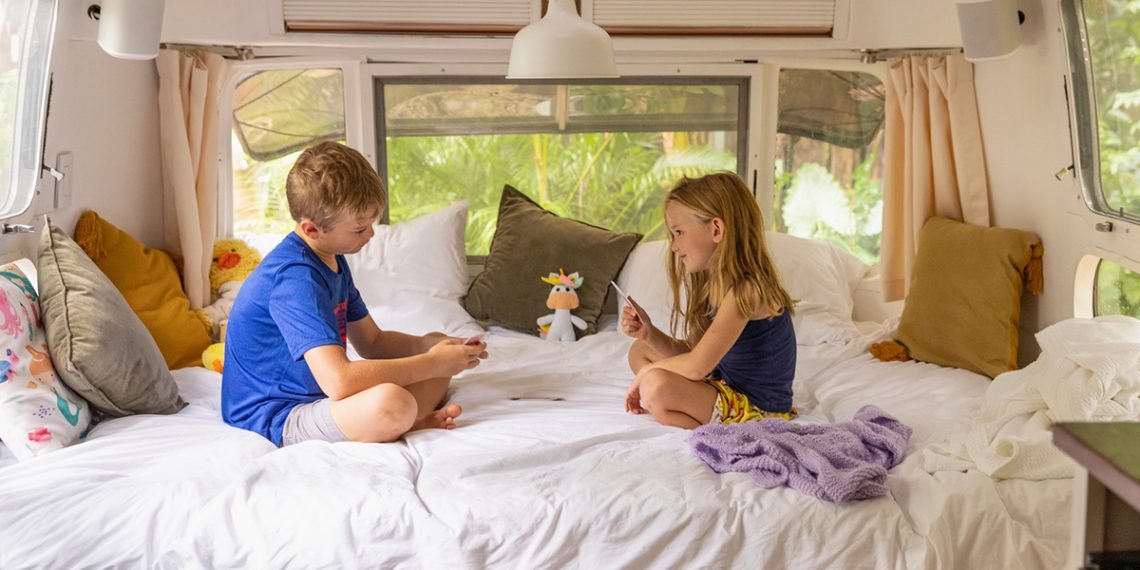
Designing an RV that feels like home for kids takes a little thought, creativity, and balance. The limited space means every corner must serve a purpose, but that doesn’t mean it can’t be fun, safe, and inviting. When I started transforming my RV into a space that worked for children, I quickly realized that comfort and organization were just as important as adventure. Kids need a sense of routine even when on the road, and a well-designed RV can give them that stability while still encouraging curiosity and play.
Making Comfort a Priority
The heart of a kid-friendly RV is comfort. Kids spend long hours on the road, and they need a place that feels familiar. I always start with their sleeping area. Whether it’s a bunk bed, convertible dinette, or pull-out sofa, I try to make it cozy and personal. Soft bedding, their favorite blankets, and small stuffed animals help them settle easily.
Lighting also makes a big difference. I use warm LED lights instead of harsh overhead bulbs, and I added small reading lamps so the kids can wind down at night. Blackout curtains are useful for naps during the day or when we park in bright campgrounds.
Temperature control is another part of comfort. RVs can get hot in summer and cold in winter, so I keep small fans, portable heaters, and breathable bedding to make the space adaptable for all seasons.
Creating Play and Activity Zones
Kids need room to play, even in tight spaces. I’ve found that creating small, multi-purpose zones helps keep them entertained without cluttering the RV. One area might double as a dining table and craft station, while another could serve as a reading nook or toy corner.
To manage space, I store toys in collapsible bins or soft baskets that slide under benches or beds. I rotate toys weekly to keep things fresh and avoid overstimulation. On rainy days, having board games, puzzles, and coloring books easily accessible keeps everyone happy indoors.
When the weather allows, I expand the play area outdoors. I carry a foldable picnic mat and a small tent where the kids can read, play, or nap under the shade. It gives them the freedom to enjoy nature while still being close by.
Prioritizing Safety in Every Corner
Safety matters more than anything else when traveling with children. RVs have a lot of moving parts, sharp edges, and small spaces, so I childproofed everything early on. Cabinet locks prevent small hands from opening drawers during travel, and corner protectors keep them safe from bumps and bruises.
I also make sure fire extinguishers, smoke detectors, and carbon monoxide alarms are working at all times. A small first-aid kit is stored in an easy-to-reach drawer. I keep cleaning products and tools in locked compartments, far from where kids can reach.
Seatbelts are a must when driving, and everyone has their designated spot. I also set clear rules about moving around while the RV is in motion. Over time, these routines become second nature, and it gives me peace of mind knowing everyone is secure.
Smart Storage Solutions for Families
An organized RV runs smoother, especially with kids involved. Every toy, snack, and outfit needs a place. I’ve learned to think vertically, using wall hooks, hanging organizers, and magnetic strips to store essentials.
Under-bed drawers and baskets help separate clothing for each child. I label everything, which makes it easier for them to find their own things without constant help. Overhead cabinets are great for items used less often, like extra blankets or books.
I also use collapsible storage boxes that can be tucked away when not needed. It’s a simple trick that helps keep the living area open and tidy. The fewer items lying around, the more comfortable the space feels.
Making Meals Easy and Enjoyable
Cooking for kids on the road can be a challenge, but it’s easier with a good setup. I like to prep meals in advance and use simple recipes that require minimal cleanup. The kitchen area stays organized with labeled containers for snacks, cereals, and drinks.
Involving kids in meal preparation keeps them engaged. I let them help stir pancake batter or pack sandwiches for picnics. Having small, kid-sized utensils and plates helps them feel included and reduces the risk of accidents.
To make eating fun, we sometimes set up an outdoor dining spot with foldable chairs and string lights. It turns a regular meal into a small adventure, which keeps spirits high on long trips.
Sleeping Arrangements That Work for Everyone
Getting quality sleep on the road is essential, especially for kids. I’ve experimented with several setups before finding what works best. Bunk beds are great for space-saving, while convertible dinettes give flexibility if the layout changes.
Each child has their own space, even if it’s small. I let them personalize their sleeping area with small wall stickers, photos, or favorite bedding. It gives them a sense of ownership, which helps them feel grounded no matter where we travel.
I also use storage pockets on the wall near their beds for books, flashlights, and small toys. Nightlights with dim settings help them feel secure without being too bright.
Keeping Things Clean and Organized
Cleanliness becomes a daily routine in an RV. With kids, messes are inevitable, but the key is to stay ahead of them. I assign simple chores, like sweeping the floor or wiping the table, to make cleanup part of the day.
I also keep a small vacuum and microfiber cloths handy for quick cleanups. For shoes, we have a “no shoes inside” rule, which helps keep dirt to a minimum. Having a laundry bag in one corner helps prevent clothes from piling up.
In tight quarters, even small changes make a big difference. For example, I use a collapsible hamper and a hanging trash bag that can be replaced daily. It’s all about building small habits that make the RV feel tidy and relaxed.
Encouraging Learning and Exploration
RV living is a unique learning experience for kids. Every destination brings new lessons about nature, geography, and culture. I like to keep educational materials on hand, maps, field guides, and notebooks for journaling.
We also use travel as an opportunity for hands-on learning. Visiting national parks, museums, and farms gives the kids a deeper appreciation for the world. At night, we sometimes stargaze with a small telescope or just talk about the day’s discoveries.
The key is balance. While adventure is important, I also maintain a routine with reading time and quiet periods. It helps them stay grounded even in constantly changing surroundings.
Making Space for Downtime
Kids need moments of calm just as much as play. I’ve created a small corner with cushions and books where they can relax or nap. Soft music or audiobooks make it a cozy place for unwinding after a long day outdoors.
Screen time can be tricky, but I allow limited use for movies or educational games. I downloaded content ahead of time so they can watch even in places without signal. The goal isn’t to eliminate screens entirely but to use them wisely.
Family movie nights are a favorite tradition. We dim the lights, pop popcorn, and use a small projector. It’s simple but brings everyone together after a busy day of exploring.
Keeping Kids Engaged During Long Drives
Long drives can test anyone’s patience, especially children. I plan ahead by packing activity kits with drawing books, stickers, and travel games. Snacks are within easy reach to avoid constant stops.
Audiobooks and music playlists also help pass the time. Sometimes we make up road games, like spotting wildlife or counting state license plates. Keeping them mentally active makes the journey feel shorter and more enjoyable for everyone.
For naps, I make sure their seats recline slightly, and I keep their favorite blanket nearby. A comfortable child is a quiet traveler.
Adding Personal Touches for Each Child
Personalization transforms an RV from a shared space into a family home. Each of my kids has a small section of wall or storage area to decorate. They can hang drawings, postcards, or souvenirs from our travels.
I also let them pick small decorative items like pillows or wall decals. It gives them pride in their space and helps reduce homesickness. When we move frequently, those familiar touches make every stop feel like home.
Outdoor Adventures and Family Bonding
The beauty of RV life is the connection to nature. I encourage my kids to spend as much time outdoors as possible. We go hiking, biking, and kayaking whenever we can. These activities not only keep them active but also strengthen family bonds.
Camping in scenic spots gives us a break from screens and a chance to appreciate simple things like campfires, stars, and morning walks. I make sure each trip includes a mix of outdoor play and relaxed family time, so the memories are balanced and meaningful.
Evenings by the campfire often become story time. We talk about the day’s adventures, share jokes, and sometimes plan the next stop. It’s in those moments that RV life feels truly special.
Managing Limited Space with Multiple Kids
If you travel with more than one child, space can get tight quickly. I’ve found that defining personal areas reduces arguments and clutter. Each child has a storage bin for personal items, and we establish simple boundaries, like who uses which bunk or where their things go.
Flexible furniture helps too. A foldable table can serve as a craft area during the day and dining space at night. Multi-purpose furniture keeps the RV adaptable without making it feel cramped.
I also schedule quiet times, so everyone has a chance to recharge without stepping on each other’s toes.
Budget-Friendly Upgrades for a Kid-Friendly RV
Making your RV family-friendly doesn’t have to be expensive. I’ve repurposed old containers into toy bins, used removable wallpaper for color, and found secondhand storage solutions that fit perfectly in small spaces.
Peel-and-stick decals are a fun way to add personality without permanent changes. I also use magnetic strips for holding art supplies and small toys. It’s amazing how small updates can make a space feel completely new without breaking the budget.
Even DIY projects, like sewing cushion covers or building small shelves, can add charm and functionality. It’s all about creativity and making the space reflect your family’s style.
Maintaining Routine While on the Road
A stable routine keeps everyone grounded, especially children. Even though travel brings constant change, we maintain a rhythm for meals, playtime, and bedtime. Predictability helps kids feel secure and reduces stress.
I plan travel times around nap schedules when possible. Breakfasts are usually relaxed, followed by outdoor activities. Evenings are quieter, focused on family meals and relaxation.
We also keep a small calendar on the wall so everyone knows what’s coming next. It helps build anticipation and gives kids a sense of control.
Conclusion
Creating a kid-friendly RV living space is about blending practicality with comfort, fun, and safety. It’s a constant balance between giving kids freedom to explore and maintaining order in a small area. Every change, from cozy bedding to clever storage, adds up to a smoother, happier journey.
Over time, I’ve come to see the RV not just as a vehicle but as a moving home that grows with us. The laughter, games, and quiet nights spent together inside it are memories that will last far beyond the road. With a little creativity and patience, any RV can become a kid-friendly haven where family adventures truly come to life.