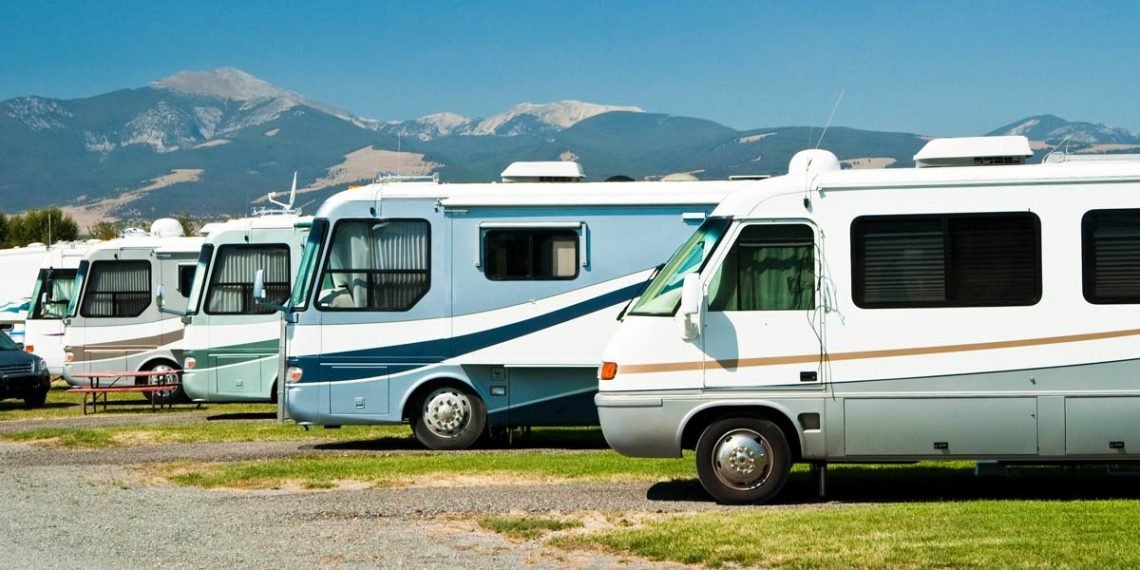
RV decals add a lot of personality and flair to a rig, but over time, exposure to sunlight, rain, and road grime can make them fade, crack, or peel. Restoring those decals not only improves the appearance of your RV but also protects the surface underneath from further wear. I once looked at my faded graphics and realized that the dullness was taking away from the pride I had in my RV. Instead of spending hundreds on professional restoration, I decided to tackle the project myself. With a few tools, some patience, and careful work, I managed to bring the exterior back to life, and the results were surprisingly satisfying.
Reviving old decals might sound intimidating, but it’s a doable project that makes a huge visual difference. It takes some time and effort, but it can be done right in your driveway. The process involves cleaning, assessing damage, treating the surface, and applying either a restoration coating or replacing decals entirely. Each RV is a little different, but the general approach is easy to follow once you understand the steps.
Assessing the Condition of Your Decals
Before starting, I always take a good look at the decals to determine how much work they need. Some decals may just be faded and can be revived with a good cleaning and polish. Others might be cracked, peeling, or flaking off, which means they’ll need to be replaced altogether.
Running your fingers gently across the surface helps you gauge how deep the damage is. If the decal feels rough, brittle, or flaky, it’s beyond restoration. But if it still feels smooth and intact, it’s likely worth saving.
It’s also a good idea to inspect how the paint or fiberglass around the decal looks. Prolonged UV exposure can cause uneven fading, so even if you restore or replace decals, the surrounding area may need a polish or wax to even out the finish.
Gathering Materials and Tools
Before beginning the restoration, it’s important to have the right tools on hand. Working efficiently makes the process much smoother. For decal restoration or replacement, I usually gather the following:
- Microfiber towels
- RV-safe cleaner or mild soap
- Isopropyl alcohol or adhesive remover
- Heat gun or hair dryer
- Plastic scraper or squeegee
- Masking tape
- Polishing compound
- Clear coat protectant or UV sealant
- Replacement decals (if needed)
- Wax or ceramic coating for finishing
Using RV-safe cleaning products is crucial. Harsh chemicals can damage the surface or strip protective coatings. The goal is to restore the exterior gently without causing more harm than good.
Deep Cleaning the Surface
Cleaning is the most essential step in the restoration process. Dirt, wax buildup, and oxidation can prevent restoration products from adhering properly. I usually start by washing the entire exterior with warm, soapy water and a microfiber cloth. This removes surface grime and makes it easier to see the true condition of the decals.
Once the RV is clean and dry, I focus on the decals themselves. For stubborn residue or old wax buildup, I apply a small amount of isopropyl alcohol on a soft cloth and gently wipe the area. This step ensures the surface is perfectly clean before any restoration or replacement begins.
If the decals have oxidized, that chalky white appearance that comes from UV exposure, I use a gentle polishing compound to buff away the oxidation. A dual-action polisher can speed up this process, but working by hand with a microfiber towel works just as well for smaller areas.
Reviving Faded Decals
If the decals are still in good shape but just dull or faded, a simple restoration process can bring them back to life. After cleaning, I apply a decal restorer or plastic polish. These products are designed to restore the original color and shine.
I like to apply the restorer using a foam applicator pad, rubbing it in small circular motions until the surface starts to deepen in color. It may take a few coats to achieve the desired result. Once the polish dries, I wipe off the excess with a clean microfiber towel.
For even better results, applying a UV protectant after polishing helps prevent future fading. Decals fade mainly because of sun exposure, so adding this layer of protection keeps them looking fresh for much longer.
Replacing Damaged or Peeling Decals
Sometimes decals are too far gone to save, and replacement is the best option. Removing old decals can be a bit of a chore, but with the right tools and patience, it’s manageable.
I start by heating the decal gently using a heat gun or hair dryer. The heat softens the adhesive, making it easier to peel away. Once the decal starts to lift, I use a plastic scraper or my fingers to pull it off slowly. It’s important not to rush this process; pulling too quickly can tear the vinyl or damage the surface underneath.
Once the decal is removed, adhesive residue usually remains. I apply adhesive remover or rubbing alcohol to the area and let it sit for a minute before wiping it clean with a microfiber towel. Afterward, I wash the area again to remove any chemical residue.
If the surface underneath the decal is cleaner or less faded than the rest of the RV, I use a polishing compound to even out the appearance. This helps prevent obvious outlines when applying the new decal.
Applying New Decals
Applying new decals is the most rewarding part of the process. I start by marking the desired placement with masking tape, using a level to make sure everything lines up properly. Decals can be tricky to apply straight, especially large ones, so taking time to measure ensures a professional-looking result.
I peel a small section of the backing paper from the decal and stick it to the surface, then slowly work my way across while pulling the backing away. Using a plastic squeegee or credit card wrapped in a microfiber cloth helps smooth out air bubbles as I go.
If bubbles appear, I gently lift the edge and reapply, smoothing it out again. Once the decal is fully applied, I go over it with a clean, dry cloth to make sure it’s firmly pressed down. Allowing it to cure for at least 24 hours before washing or waxing helps the adhesive bond properly.
Blending and Polishing the Surrounding Area
After new decals are applied, it’s important to polish and blend the surrounding areas for a seamless look. I like to use a fine polishing compound around the edges of the new decal, which helps reduce any contrast between the fresh vinyl and the older paint.
Then, I apply a coat of wax or ceramic sealant across the entire surface. This not only enhances the shine but also protects both the decals and paint from UV rays, moisture, and dirt. Regularly maintaining this protective layer can extend the life of your decals significantly.
Protecting Restored Decals
Restored or newly applied decals require ongoing care to stay looking their best. I make it a habit to wash my RV with mild soap every few weeks when traveling regularly. Avoiding harsh chemicals and abrasive sponges prevents damage to the vinyl.
A UV protectant spray applied once a month helps block sun damage. It’s an easy way to keep decals from fading again. When parking the RV for extended periods, I try to find shaded spots or use an RV cover. Protecting from the elements makes a huge difference in how long the restoration lasts.
Another helpful tip is to reapply a clear coat or protectant wax at least twice a year. This maintains the glossy appearance and keeps the vinyl supple, preventing cracks.
Common Mistakes to Avoid
During the restoration process, a few mistakes can make the job more difficult. One of the most common errors is using too much heat when removing decals. High heat can warp or bubble the RV’s surface, so gentle warmth is best.
Another mistake is applying new decals on dirty or oily surfaces. Even a small amount of residue can prevent proper adhesion, leading to peeling or bubbling later on. Always make sure the surface is spotless and completely dry before applying new graphics.
Skipping the final polish or protectant layer is another oversight that shortens the life of your decals. Without a UV barrier, even new vinyl can start fading within a few months under constant sun exposure.
Cost and Time Estimates
Restoring or replacing decals doesn’t have to break the bank. A complete DIY restoration can cost between $50 and $200, depending on the size of the RV and the products used. Decal restorers, polish, and protectants are inexpensive and go a long way.
Replacing decals is more expensive, but still cheaper than professional work. Custom RV decals can range from $50 to $300, depending on size and design. The most time-consuming part is removing old decals, which can take several hours, especially for large graphics.
On average, I spend a full weekend on the project, one day for removal and cleaning, and another for applying and polishing. The results are worth every hour spent.
Long-Term Maintenance
Once the restoration is complete, ongoing care is straightforward. Regular washing, waxing, and UV protection prevent fading and cracking. I also make sure to inspect the decals every few months, checking for early signs of peeling or damage.
If small edges begin to lift, I press them down with gentle heat and a soft cloth before they worsen. Quick attention to these details helps avoid the need for another full restoration later.
Why DIY Restoration Is Worth It
Taking on this project myself gave me a deeper appreciation for my RV. Restoring the decals improved the overall appearance, making it look newer and well cared for. It also saved me a significant amount of money compared to having it done professionally.
Beyond the practical benefits, it was satisfying to see the transformation unfold with each step. Watching faded, dull graphics return to vibrant color felt like giving new life to my RV. It reminded me that even small maintenance projects can make a big difference in how much you enjoy your travels.
Final Thoughts
DIY RV exterior decal restoration is a project that brings visible, rewarding results. Whether you’re simply reviving faded graphics or replacing them entirely, the process is manageable and doesn’t require specialized skills. With a bit of patience, proper materials, and care, your RV can look years younger in just a weekend.
The best part is knowing you did it yourself. Each time I step back and see my RV gleaming in the sunlight, I’m reminded of the satisfaction that comes from maintaining and improving something with my own hands. A restored exterior not only turns heads at the campground but also adds a sense of pride every time you hit the open road.