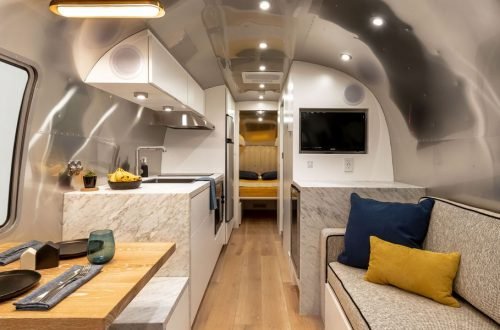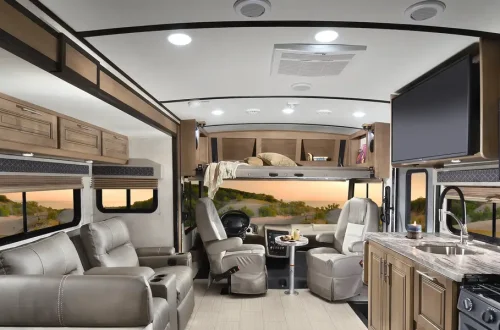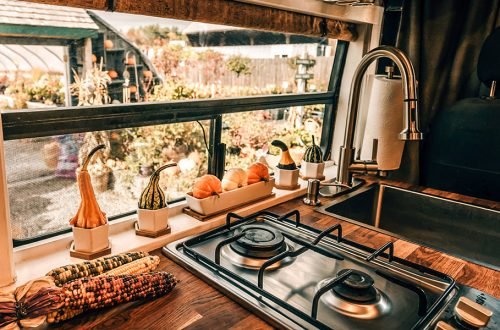
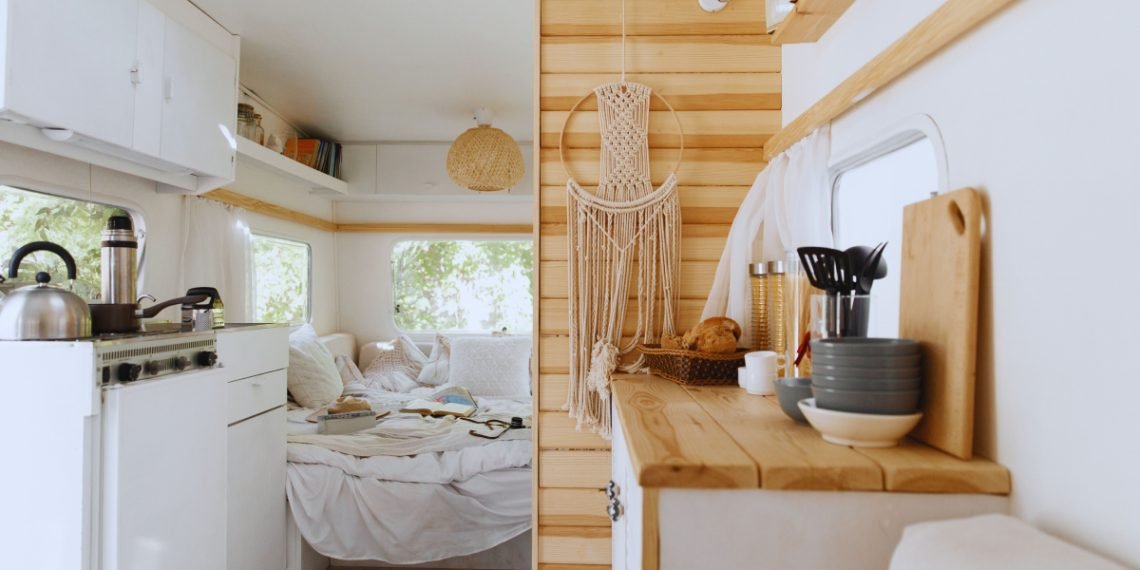
Creating custom RV cabinets from scratch can completely transform the interior of your recreational vehicle. Store-bought cabinets often fail to make the most of limited space, and they rarely match the unique personality or functionality you might want in your setup. By building your own, you can tailor every inch to suit your specific storage needs, style, and layout. It takes some time, patience, and the right tools, but the satisfaction of seeing your handiwork every time you hit the road is worth the effort.
Planning Your Custom RV Cabinet Design
Before cutting a single board, the first step is to carefully plan your layout. Every RV has a unique floor plan, which means every cabinet project will be different. Start by taking accurate measurements of the space where your cabinets will go. Measure height, width, and depth, then note any obstructions like windows, outlets, or vents.
I find it helpful to sketch the design on paper or use a simple 3D design app. This visual reference makes it easier to see how drawers and doors will open and where handles should go. Think about what you’ll store in each cabinet, kitchen utensils, camping gear, clothes, and design compartments that make access easy.
It’s also important to balance aesthetics with practicality. In small RVs, lighter-colored wood or paint finishes make spaces feel bigger and more open. Decide early on whether you want a modern, rustic, or minimalist style, as this will guide your material and hardware choices later.
Gathering the Right Materials and Tools
Once your design is finalized, gather all the materials and tools you’ll need. For most RV cabinet builds, lightweight plywood is ideal. It’s durable enough for travel vibrations but won’t add unnecessary weight. Look for high-quality birch or maple plywood, which cuts cleanly and holds screws well.
You’ll also need some basic tools: a circular saw or table saw, power drill, screws, wood glue, clamps, sandpaper, a jigsaw for curved cuts, and a level. If you plan to paint or stain the cabinets, stock up on brushes or rollers and finishing supplies.
To reduce costs, check for offcuts or reclaimed wood that can be repurposed. Some RV owners also use composite boards or hollow-core panels for sections that don’t bear heavy loads. The goal is to find the right balance between strength, weight, and cost.
Preparing the Space Inside the RV
Before starting construction, clear out the area where the cabinets will go. Remove any old cabinetry, screws, and leftover caulk or adhesive from the walls. Vacuum the space and make sure you’re working on a solid, level surface.
This is also a good time to inspect your RV’s walls for any soft spots or water damage. If you find any, fix those issues first. It’s frustrating to install new cabinetry only to discover that the wall behind it is weak or uneven.
Building the Cabinet Frames
Begin by cutting the plywood pieces for your cabinet frames. These usually include the top, bottom, sides, and back panels. I prefer to dry-fit everything before gluing or screwing it together, just to make sure all the pieces align correctly.
Use wood glue along the edges and clamp the parts together before driving in screws. This ensures the cabinet frame remains square and sturdy. Reinforce the corners with brackets if you plan to store heavier items inside.
Remember to keep your RV’s movement in mind. Unlike stationary furniture, your cabinets will be subject to constant vibration and bumps. Adding extra reinforcements at stress points can prevent long-term loosening or rattling.
Creating and Installing the Cabinet Doors
Once your frames are complete, move on to the doors. You can go with traditional swing doors, sliding doors, or even lift-up panels depending on the available space. In compact areas, sliding doors are often the best option since they don’t require clearance to open outward.
Cut the doors from plywood or a decorative hardwood veneer. Sand the edges smooth and decide whether to add trim or molding for a more refined look. Hinges are a crucial component here, RV-rated hinges are built to withstand road vibrations and are worth the extra investment.
When attaching the doors, make sure they open and close smoothly without scraping or binding. Using soft-close hinges can also prevent damage from accidental slamming during travel.
Building Drawers and Organizers
Drawers are great for maximizing space efficiency. You can build simple box-style drawers using thin plywood for the base and slightly thicker pieces for the sides. Use a dado joint or screws reinforced with glue for strength.
Install drawer slides rated for mobile use, preferably with a locking mechanism that keeps them from sliding open while driving. For deeper drawers, consider adding dividers to keep items from shifting around.
You can also get creative with hidden storage. For example, a false bottom or removable shelf can hide valuables, and a slide-out pantry can turn narrow spaces into highly functional storage.
Mounting the Cabinets to the RV Walls
Securing the cabinets properly is one of the most important steps. RV walls and floors can’t handle as much weight as home walls, so you’ll need to find solid anchor points. These are typically aluminum or wood studs behind the wall paneling.
Use a stud finder to locate these points and mark them before mounting. Attach the cabinets using heavy-duty screws or bolts that go directly into the studs. If you’re working on a ceiling-mounted cabinet, add L-brackets or steel reinforcements for added safety.
Once mounted, check that the cabinets are level and flush with the wall. Any unevenness can cause stress on the structure over time, especially while driving on rough terrain.
Finishing Touches and Design Details
With the cabinets installed, it’s time for the fun part, finishing. Whether you prefer a natural wood grain or a painted surface, take the time to sand every piece thoroughly. A smooth surface makes a huge difference in the final look.
If you’re staining the wood, apply a pre-stain conditioner to prevent blotches, then finish with a few coats of varnish or polyurethane for durability. For painted cabinets, use a primer designed for wood and follow with at least two coats of quality paint.
Add handles or knobs that match your RV’s interior design. I prefer compact, recessed handles that don’t stick out, reducing the risk of snagging clothes or bumping into them in tight spaces. Soft rubber bumpers on doors and drawers help reduce noise when traveling.
Improving Functionality With Smart Storage Features
Modern RV living often requires clever storage solutions. Consider incorporating pull-out trash bins, under-sink organizers, or even a hidden spice rack. Adjustable shelves are another useful feature, allowing you to reconfigure space depending on what you’re carrying.
You can also add LED lighting strips under the cabinet edges for better visibility. Battery-powered or USB-rechargeable models are easy to install and don’t require complex wiring. This not only improves functionality but also gives your RV interior a modern touch.
Managing Weight and Balance
When customizing your RV cabinetry, it’s crucial to keep an eye on weight distribution. Every extra pound affects your fuel efficiency and handling. Try to keep heavier items low and evenly spread across the vehicle.
Weigh your materials before installation if possible, and avoid overloading one side. The goal is to maintain your RV’s balance to ensure safer driving and less wear on suspension components.
Maintaining and Caring for Your New Cabinets
Once your new cabinets are installed, regular maintenance helps keep them looking and functioning like new. Check hinges and screws periodically to ensure they haven’t loosened from road vibrations. Wipe down surfaces with mild soap and water, avoiding harsh chemicals that can damage finishes.
If you used real wood, apply furniture polish occasionally to keep it from drying out. For painted cabinets, touch up any scratches promptly to prevent moisture from seeping in.
Cost and Time Considerations
Building custom RV cabinets from scratch isn’t just about the end result, it’s also a balance between time, cost, and craftsmanship. Depending on the size and complexity of your project, you can expect to spend anywhere from a few hundred to over a thousand dollars on materials and hardware.
The time investment varies as well. A simple cabinet may take a weekend, while a full RV kitchen overhaul could stretch over several weeks. Take your time to get each step right; shortcuts often lead to issues later on.
Why Custom Cabinets Are Worth the Effort
While it may seem easier to buy pre-made units, custom-built cabinets offer unmatched personalization and efficiency. Every inch of space in an RV matters, and designing around your exact needs ensures no room goes to waste. It’s also incredibly rewarding to know that you built something with your own hands that makes travel more comfortable.
Custom cabinets can even increase your RV’s resale value. Buyers appreciate high-quality craftsmanship, especially when it improves both functionality and aesthetics.
Final Thoughts
Building custom RV cabinets from scratch is a satisfying project that combines creativity, craftsmanship, and practicality. With thoughtful planning, the right tools, and patience, you can transform your RV’s storage space into something truly unique. Every trip feels a little more special when you’re surrounded by work that reflects your own skill and style.
By tailoring every cabinet to fit your needs, you’re not just upgrading your RV, you’re shaping your ideal travel experience. Whether it’s organizing kitchen essentials, maximizing sleeping space, or simply making the interior more beautiful, custom cabinets make your RV feel more like home wherever the road leads.