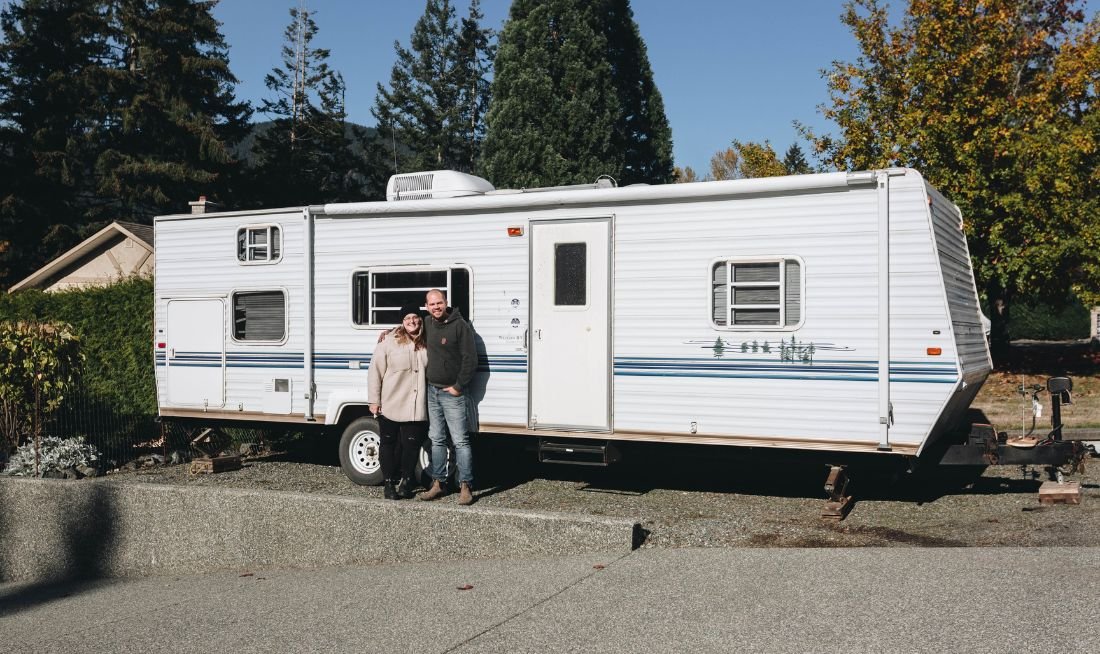
A clean, well-maintained RV awning not only improves the look of your camper but also extends its lifespan and functionality. Over time, exposure to sun, dirt, mildew, and rain can wear down the fabric, making it prone to tears and fading. Taking the time to clean and protect your awning can save you from expensive replacements and keep your outdoor space pleasant and comfortable.
Inspecting the Awning Before Cleaning
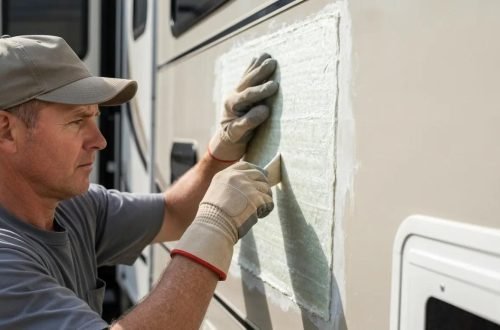
Before washing or applying any protective treatments, I always inspect the awning for damage. Small tears or frayed edges can worsen if not repaired early. I unroll the awning completely, check the seams, fabric, and roller tube for wear, and look closely at the hardware for signs of rust or loose bolts. If I spot any tears, I repair them using awning repair tape or patch kits before proceeding. Cleaning a damaged awning without fixing these issues can spread the tear and create bigger problems later.
Gathering the Right Cleaning Tools
A good cleaning job starts with the right tools and products. I avoid harsh chemicals because they can break down the fabric or strip away waterproof coatings. Instead, I prepare a mild cleaning solution using warm water and a gentle soap, like dishwashing liquid or RV awning cleaner. For scrubbing, I use a soft-bristle brush or sponge to prevent scratching the material. I also keep a hose handy to rinse off the soap thoroughly once I’m done. If the awning has mold or mildew, I mix a small amount of white vinegar into the solution to help kill the spores naturally without damaging the fabric.
Cleaning Fabric Awnings
For fabric awnings made of acrylic or vinyl, I start by extending the awning fully and sweeping away loose dirt and debris. Then, I apply the cleaning solution evenly using a soft brush or mop. I let it sit for a few minutes to loosen grime before gently scrubbing in circular motions. Vinyl awnings often collect mildew, especially if they’re rolled up while wet, so I pay extra attention to these areas. Once clean, I rinse thoroughly to ensure no soap residue remains, as leftover detergent can attract dirt faster. Finally, I allow the awning to dry completely before rolling it back in. Rolling up a damp awning is one of the quickest ways to develop mold and musty odors.
Dealing with Stubborn Stains
Sometimes, I come across tough stains that regular soap won’t remove. Bird droppings, tree sap, and mildew can be persistent. In those cases, I use a specialized RV awning cleaner designed for deeper cleaning. I apply it directly to the stained area, let it sit as directed, and gently scrub until the mark fades. For mildew, a mix of one part vinegar to four parts water works wonders and won’t harm the awning’s finish. I avoid bleach unless absolutely necessary, and even then, I dilute it heavily and test a small section first to make sure it won’t cause discoloration.
Cleaning the Hardware and Mechanism
The awning hardware deserves as much attention as the fabric. Over time, dust, pollen, and rust can build up in the roller tubes and arms, making it harder to open or close smoothly. I wipe the metal parts with a damp cloth and apply a light lubricant to hinges, joints, and moving parts. If there’s rust, I use fine-grit sandpaper to remove it and touch it up with a protective coating or paint designed for metal surfaces. Keeping the mechanism clean ensures the awning operates effortlessly and prevents unnecessary strain on the components.
Protecting the Awning Fabric
Once the awning is clean and dry, I apply a fabric protectant to keep it resistant to UV rays, water, and dirt. These sprays form a protective barrier that helps prevent fading and staining. I make sure to use a product compatible with my awning’s material, acrylic and vinyl require different treatments. Applying protectant regularly, especially after every deep cleaning, helps the awning retain its color and flexibility. I follow the manufacturer’s instructions carefully and reapply every few months or as needed, depending on how often I use the RV.
Preventing Mold and Mildew Growth
Moisture is the main enemy of any awning. To prevent mold and mildew, I always let the awning dry completely before rolling it up. If rain catches me by surprise, I unroll it once the weather clears to let it air out. I also make sure the fabric is not sagging, as pooled water creates the perfect environment for mold growth. During long storage periods, I keep the awning slightly extended to allow air circulation. Using a mildew-resistant cleaner periodically also helps prevent spores from developing in the first place.
Storing the Awning During Off-Season
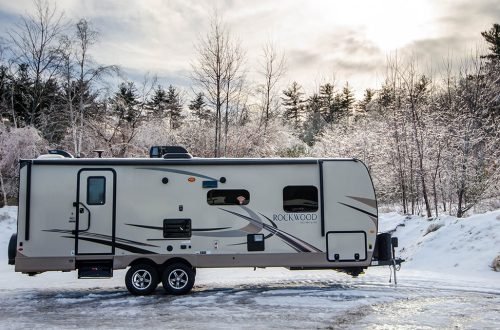
When winter approaches, I prefer to retract and store the awning properly. Before putting it away, I give it one final cleaning and let it dry fully. I check the seals and replace any that are cracked or peeling. If I’m storing the RV outdoors, I use an awning cover to shield it from snow, ice, and UV exposure. Covers help prevent fading and protect the roller tube and hardware from rust. During the off-season, I occasionally check on the awning to make sure it hasn’t collected moisture or developed mildew.
Inspecting the Awning After Travel
After every trip, I make it a habit to inspect the awning for damage or debris. Long drives can loosen bolts or cause dirt buildup. I also check the awning arms to ensure they’re properly aligned and lubricated. Doing these quick inspections saves me from costly repairs and ensures the awning is ready for the next adventure. A few minutes of maintenance can make a big difference in its overall longevity.
Protecting Against Sun Damage
Constant sun exposure can fade the awning’s color and weaken the fabric. To protect it, I use a UV-resistant coating at least once or twice a year. Parking the RV in shaded areas whenever possible also helps minimize exposure. If shade isn’t available, retracting the awning when not in use reduces wear from UV rays. Over time, these small habits can significantly extend the awning’s lifespan and keep it looking vibrant.
Cleaning Frequency and Routine Maintenance
I follow a simple routine: light cleaning once a month and deep cleaning twice a year. During the monthly cleaning, I brush off loose debris, rinse the fabric, and check for any signs of wear or staining. The semi-annual deep cleaning includes a full wash with soap, inspection of the hardware, and application of protective coatings. This routine ensures the awning stays in top shape and performs well season after season.
Common Mistakes to Avoid
Many RV owners unknowingly damage their awnings by using the wrong cleaning products or neglecting regular maintenance. I avoid pressure washers because they can tear the fabric or loosen seams. I also never store the awning when it’s damp or dirty, as this encourages mold and weakens the fibers. Another common mistake is over-tightening the arms when retracting the awning, which can cause bending or misalignment over time. Gentle handling and consistent care make a huge difference in preserving the awning’s function.
Dealing with Wind and Weather
Strong winds can quickly damage an open awning. I never leave mine extended during storms or high winds, no matter how secure it seems. Even light gusts can cause the arms to bend or the fabric to tear. When camping in unpredictable weather, I retract the awning whenever I leave the campsite or before going to bed. For additional protection, I use tie-down straps or support poles to keep the awning steady during mild breezes. It’s much easier to prevent damage than to deal with repairs after the fact.
Repairing Minor Damage
Despite regular maintenance, small damages can still occur. If I notice tiny holes or fraying, I address them immediately using awning repair tape or fabric patches. For larger tears, I contact a professional or use an awning repair kit to reseal the affected area. Regular checks allow me to catch problems early before they turn into expensive replacements. Taking prompt action not only preserves the awning but also keeps it safe to use.
The Benefits of Regular Maintenance
Regular maintenance doesn’t just keep the awning looking good; it also enhances the overall RV experience. A clean, functional awning provides shade, protects from rain, and creates a comfortable outdoor space. It also increases the resale value of the RV by showing that the vehicle has been well cared for. When I see an RV with a faded or torn awning, it’s a clear sign that maintenance has been neglected. Consistent cleaning and protection help avoid that impression and keep the RV in top-notch condition.
My Final Thoughts
Caring for an RV awning may seem like a small task compared to maintaining the engine or plumbing, but it plays a vital role in comfort and aesthetics. Regular cleaning, inspection, and protection go a long way in ensuring the awning lasts for many years. I’ve found that taking preventive measures, like drying it thoroughly and applying UV protectants, saves me time and money in the long run. The more consistent I am with maintenance, the fewer problems I encounter on the road. A well-cared-for awning adds not only shade but also a sense of pride every time I set up camp and relax beneath it.