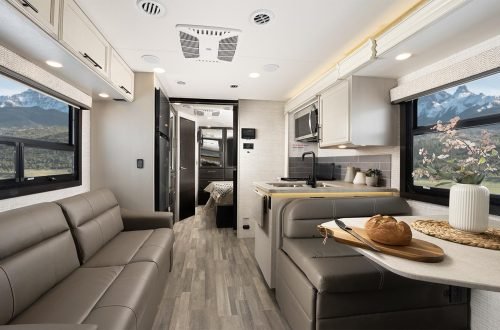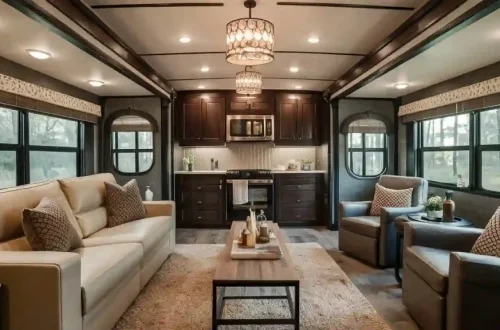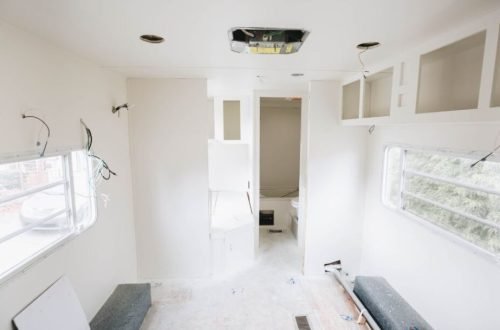
Creating a cozy RV interior is all about balance. Small spaces like RVs can either feel sterile and cold or warm and inviting depending on how the materials, colors, and fabrics interact. When I began styling my own RV, I realized that texture played a far more significant role than I had imagined. Mixing textures added depth, personality, and comfort to the interior, transforming it from a bland mobile space into a true home on wheels. The process is less about following strict design rules and more about layering tactile elements that complement each other and bring out a sense of warmth.
Starting With a Neutral Base
The foundation of mixing textures starts with the right base. I kept my RV’s walls, cabinetry, and large furniture in neutral tones. Shades of white, cream, beige, and soft gray helped open up the space, making it feel airy and less confined. This clean background allowed me to introduce varied textures without the interior becoming too busy or overwhelming.
A neutral base gives your textures a stage to shine. A soft white wall will highlight a woven jute rug, and a simple wooden countertop can contrast beautifully against a plush fabric cushion. In small spaces like an RV, having too many competing patterns or colors can make the space feel chaotic, so neutrals act as a balancing anchor for everything else.
Combining Soft and Hard Elements
One of the most effective ways to make an RV feel inviting is by blending soft and hard materials. For instance, smooth wood surfaces paired with fluffy throws create visual harmony. I loved the contrast between the sturdy wood of my dinette table and the soft cotton linens I added on top. That blend made the area both functional and welcoming.
Hard textures, like metal, wood, or stone, give an RV structure and definition, while soft textures, like fabric, fur, or velvet, introduce comfort. Together, they prevent the interior from feeling one-dimensional. I used this technique throughout the RV: metal hardware alongside woven baskets, sleek cabinet fronts with wool throws, and wooden shelves paired with ceramic pots.
Playing With Natural Textures
Natural materials bring life into an RV and instantly make it feel cozier. I incorporated woven rattan, seagrass baskets, jute rugs, and cotton fabrics to introduce organic warmth. Each of these materials has a distinct tactile quality that adds character without requiring bold colors or patterns.
Wood became the star of my design. I used light oak for countertops and trim because its grain added natural variation and warmth. Then, I balanced that with cotton curtains and a linen slipcover for the couch. The combination of rustic and refined textures made the space feel grounded but fresh.
Stone accents also worked wonders. Even small touches, like a marble-patterned vinyl backsplash or ceramic vases, brought depth and contrast to the more natural wood and fabric elements. Natural materials have a way of connecting you to the outdoors, which is exactly what RV life is about.
Layering Fabrics for Comfort
Fabrics are the easiest way to introduce texture, and in a small RV, they can make a huge difference. I experimented with layers of different materials, cotton, wool, and faux fur, to create that “lived-in” comfort. The mix of textiles not only made the RV look cozy but also made it a joy to relax in after a long day on the road.
I used linen curtains for an airy feel and added thick knitted blankets for warmth. The throw pillows were another opportunity to mix textures, some were made of velvet, others woven or embroidered. Every fabric added its own tactile appeal, and the layering gave the RV a sense of depth that single-material decor couldn’t achieve.
The secret to layering fabrics without overwhelming the space lies in keeping a consistent color palette. I stuck to earthy tones, browns, creams, and muted greens, so even though the textures varied, everything felt harmonious.
Mixing Smooth and Rough Finishes
The contrast between smooth and rough surfaces is what truly makes a space feel dynamic. Smooth finishes reflect light and make the interior look polished, while rough textures absorb light and create visual depth. In my RV, I balanced glossy finishes on cabinets with matte textures on walls and fabrics.
For example, the kitchen countertop had a sleek, smooth finish that contrasted nicely with the woven placemats and the rough grain of wooden shelves. In the living area, I paired a leather sofa with a chunky knit throw. This combination made the space feel balanced, structured but soft at the same time.
It’s easy to fall into the trap of making everything sleek and modern in an RV, but adding rougher textures brings warmth and authenticity. The small imperfections of wood or handwoven fabric tell a story and make the interior feel personal.
Using Rugs to Ground the Space
Rugs play a major role in RV design, not just for comfort but also for texture. I used rugs to define different areas within the RV and to add softness underfoot. Layering rugs, such as a flatweave base with a smaller, thicker rug on top, introduced texture without cluttering the space.
Jute, wool, and cotton rugs are all excellent for RVs. I preferred natural fibers because they are durable, easy to clean, and have a cozy appearance. Rugs also help absorb sound, reducing the echo that can happen in small, hard-surfaced spaces.
A rug instantly makes any part of an RV feel more home-like. Whether it’s in the entryway, under the dinette, or beside the bed, that soft layer adds both function and warmth.
Accentuating with Textured Walls
Wall texture plays a subtle but powerful role in creating a cozy RV vibe. Instead of sticking to plain walls, I added shiplap-style panels in the living area and peel-and-stick wallpaper with a linen texture in the bedroom. These small changes made the walls feel more dimensional and inviting.
Another trick I used was applying fabric wall hangings and woven tapestries. They not only introduced new textures but also helped dampen sound and soften the overall look. For those who prefer a simpler option, textured paint or decals can also add personality without taking up space.
The goal is to make the walls more than just flat dividers, they should contribute to the tactile richness of the design.
Incorporating Metal and Glass Accents
Metal and glass can seem cold, but when used thoughtfully, they elevate the cozy factor by creating contrast. In my RV, brushed brass handles and matte black light fixtures added a touch of sophistication. The metallic gleam stood out beautifully against natural wood and soft fabrics.
Glass also played a role in reflecting light and making the space feel more open. I added glass jars for storage, mirrored decor pieces, and small lanterns to scatter light around the RV. The reflection from these elements balanced the heavier, matte textures elsewhere.
By combining metal, glass, and organic materials, the RV interior felt layered, balanced, and full of character.
Bringing Texture Through Decorative Details
The details are where the textures really come alive. I used woven baskets for storage, handmade pottery for decoration, and macramé plant hangers to bring a touch of artistry. These smaller items tied the design together and made the space feel intentionally curated.
Even simple details like embroidered cushion covers, fringe edges on throws, or carved wooden trays added depth. I liked to think of these pieces as the finishing touches that made the RV feel complete. They gave the space warmth and individuality, making it uniquely mine.
When decorating a small space like an RV, every item should earn its place, both functionally and aesthetically. Textured accessories not only add beauty but also practicality.
Layering Light to Highlight Textures
Lighting can either flatten textures or enhance them. I used soft, layered lighting to accentuate the materials in my RV. Warm-toned LED strips under the cabinets, small reading lamps, and string lights gave the space a cozy, glowing effect that emphasized texture instead of washing it out.
Light falling across a woven rug or textured wall creates shadows that enhance depth. During the day, I made sure natural light flowed freely by using light-filtering curtains. At night, the warm artificial lighting kept everything soft and inviting.
Lighting is often underestimated, but in texture-driven design, it can make or break the atmosphere.
Mixing Patterns Without Overwhelming the Space
Textures and patterns often work hand in hand. I learned to mix them carefully so that they added interest without clashing. Geometric prints, florals, and tribal designs all found their place in my RV, but I balanced them with plenty of solids.
The key was to vary the scale, small patterns on throw pillows paired with larger ones on rugs or curtains. This way, nothing felt repetitive. Mixing patterns with different textures, like a woven design on linen or an embroidered motif on velvet, made the space dynamic yet cohesive.
Patterns are another form of texture, just visual rather than tactile, and they can play a huge role in creating that cozy layered feel.
Using Color to Support Texture
Color and texture go hand in hand. I discovered that muted, earthy tones work best when layering textures because they highlight the materials themselves. Warm whites, beige, sage green, and terracotta all helped emphasize the woven fabrics, rough wood, and soft rugs.
Bright, glossy colors tend to flatten texture, so I kept the palette natural and understated. Instead of relying on color to make a statement, I let the materials do the talking. The overall result was soothing, cohesive, and full of depth.
Texture thrives in subtlety, and color should enhance, not compete with, that effect.
Incorporating Nature for Organic Texture
One of my favorite ways to add texture is through natural elements like plants and stones. Greenery adds life and contrast to softer materials. A potted fern beside a woven basket, or a succulent on a wooden shelf, adds vibrancy and freshness to the interior.
I also used small stones and driftwood as decorative pieces. These natural textures grounded the design and connected the indoors with the outdoors. RV life is all about that connection to nature, so bringing natural materials inside felt right.
Even fresh herbs in small pots on the kitchen counter added a touch of greenery that softened the space and made it feel alive.
Creating Balance Between Textures
While mixing textures adds depth, too many can overwhelm an RV. I made sure to balance every rough texture with something smooth, every matte surface with a touch of gloss. This contrast kept the design from feeling heavy or cluttered.
For instance, if a wall had a shiplap finish, I paired it with simple curtains. If I added a chunky knit throw, I placed it on a sleek leather seat. Each element played off the other, keeping the space visually interesting yet calm.
It’s about finding the right rhythm, nothing should dominate, but everything should contribute to the overall comfort.
Conclusion
Mixing textures is the secret ingredient to achieving a cozy RV vibe. It’s about engaging the senses and creating harmony between materials, colors, and finishes. In my own RV, blending smooth and rough surfaces, soft fabrics and sturdy woods, made the space come alive. It went from being just another vehicle to a true sanctuary that reflects warmth and personality.
By layering natural materials, fabrics, and decorative details, you can transform even the smallest RV into a comfortable and inviting home. The beauty of mixing textures lies in its flexibility, there are no rigid rules, just an invitation to play and experiment. Every new texture you add tells a story, enhances comfort, and brings you closer to that perfect balance between adventure and home.