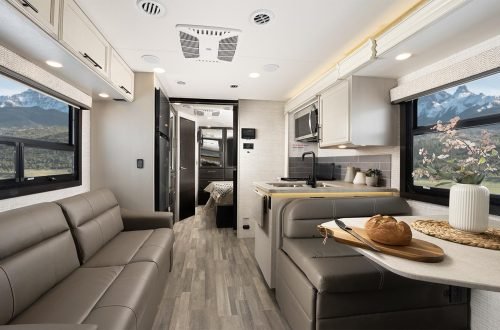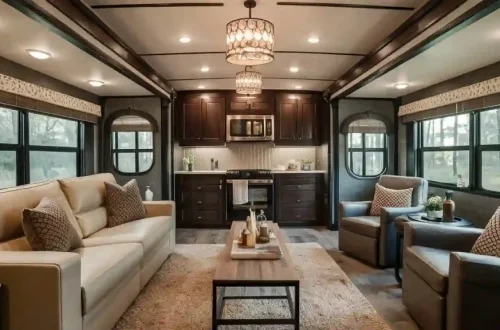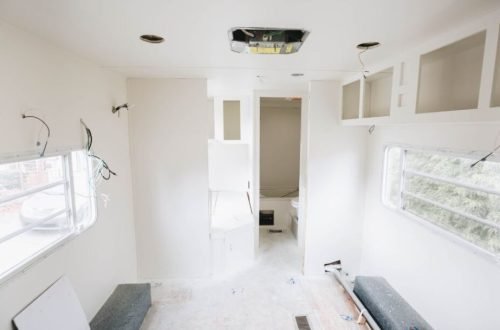
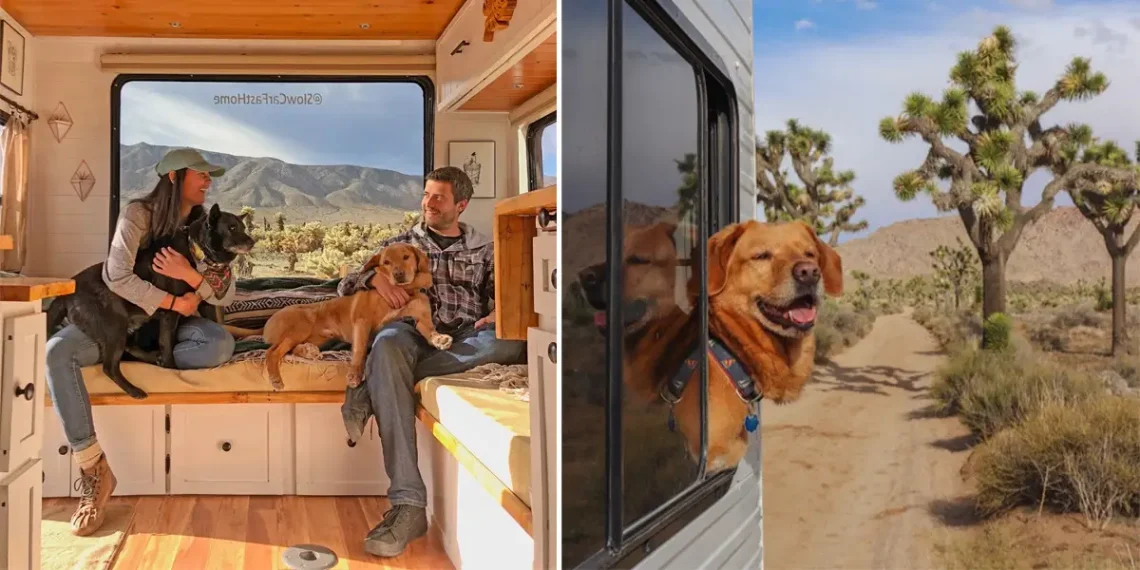
Traveling in an RV becomes even more special when pets are part of the adventure. Designing an RV that works for both humans and animals requires creativity, practicality, and attention to comfort. I’ve spent enough time on the road with pets to know that small adjustments can make a big difference. From flooring to sleeping arrangements, every design choice matters when it comes to creating a safe and cozy home on wheels for furry companions.
Planning a Space That Works for Everyone
Before hitting the road, I like to evaluate how my pet moves around the RV. Every animal has its own rhythm, and that helps determine where to place beds, feeding areas, and toys. I prefer to keep the layout simple, avoiding clutter so pets can walk freely without bumping into things.
Designing zones is essential. I usually dedicate one small area for feeding, another for sleeping, and a separate space for play. It keeps the RV organized and helps the pet feel at home. For example, near the kitchen, I keep a feeding mat and water bowl, while under the dinette, I’ve created a quiet resting nook.
Choosing Pet-Friendly Flooring
Floors take the most wear when traveling with pets. I’ve learned that scratch-resistant, easy-to-clean flooring is worth every penny. Vinyl plank flooring is one of the best options because it’s durable, waterproof, and looks stylish. It also makes sweeping up pet hair simple, which is a daily task when traveling with animals.
I stay away from carpets, especially light-colored ones, since they trap fur and odors. If I really want the comfort of a rug, I use washable area rugs that can be tossed in a machine. For pets that shed heavily, I vacuum regularly using a cordless handheld vacuum designed for small spaces.
Another thing I’ve added is non-slip mats near entryways. They prevent pets from slipping when jumping in or out of the RV, especially during wet or muddy days.
Creating a Comfortable Sleeping Area
Every pet needs a place to rest, just like we do. In my RV, I make sure my pet has a designated sleeping spot that’s soft, quiet, and familiar. I use a memory foam bed that fits perfectly under a dinette seat. It’s cozy but out of the way, which helps prevent tripping over it.
For smaller pets, a travel crate works great as both a bed and a safe zone during travel. I line it with washable bedding and keep a blanket that smells like home. That familiar scent helps calm them during long drives or when parked in new places.
If the RV allows, I also install small storage under the pet bed for toys, leashes, and grooming supplies. It keeps the area neat while still accessible.
Safe Feeding and Watering Setups
Food and water can easily spill when the RV moves, so I use non-slip bowls with rubber bottoms or built-in mats. Elevated feeding stations work well for larger dogs, reducing strain on their necks. I prefer collapsible silicone bowls for outdoor use since they save space and are easy to clean.
Water access is crucial, especially in warm weather. I keep an automatic water dispenser inside and carry extra bottled water to refill it. During drives, I avoid filling bowls to the top to prevent spills and clean-ups.
One design tip that really helps is having a small pull-out drawer that doubles as a feeding station. When mealtime is over, I slide it back in, and everything stays contained.
Managing Pet Hair and Odors
Pet hair can take over an RV fast if not managed daily. I’ve developed a cleaning routine that makes it easy. I use a lint roller and a small vacuum every morning before hitting the road. Seat covers made of washable fabric help keep fur off furniture.
Odors are another issue. I use pet-safe air fresheners and clean with natural products like vinegar and baking soda. Proper ventilation also makes a big difference, so I open windows whenever possible to let in fresh air.
To reduce smells, I wash pet bedding often and keep a small deodorizing spray nearby for quick touch-ups. Investing in an air purifier also helps keep the space fresh, especially on longer trips.
Securing Pets During Travel
Safety comes before everything. I never let my pet roam freely while driving. Instead, I use a secured harness, crate, or pet seatbelt designed for travel. It keeps them safe during sudden stops and prevents distractions.
For small pets, a crate positioned in a shaded area works perfectly. For larger dogs, I use a safety harness attached to the seatbelt loop. It allows them to sit comfortably while still being secure.
I also make sure to stop regularly so they can stretch, hydrate, and use the bathroom. These short breaks keep them relaxed and make the journey smoother for everyone.
Designing a Functional Entryway
The entryway is one of the most used areas in any RV, and pets track in dirt, leaves, and mud constantly. To manage this, I’ve turned the entry into a mini mudroom. I placed a small mat for wiping paws and a hook nearby for leashes.
I also keep a container of pet wipes or a small towel near the door for quick cleanups. It prevents the rest of the RV from getting dirty after outdoor adventures. Some RV owners install a small step or ramp for older pets who have trouble jumping in. I did this for my dog, and it made a huge difference in comfort and safety.
Pet-Friendly Fabrics and Furniture
Not all fabrics are pet-friendly, especially when claws and fur are involved. I look for materials that resist stains and are easy to wipe clean. Leather and microfiber work well because they don’t trap hair, and spills can be cleaned with a damp cloth.
For upholstery, removable slipcovers are a lifesaver. They can be thrown into the wash whenever needed, keeping furniture looking fresh. I also use furniture protectors on couches and dinettes where my pets like to lounge.
Avoiding delicate fabrics like linen or silk is smart, as they can tear easily or hold onto odors. A simple cotton blend or durable synthetic material lasts much longer.
Organizing Pet Supplies
With limited space, staying organized matters. I use labeled bins and storage baskets for leashes, grooming tools, toys, and treats. Under-seat compartments and wall-mounted organizers help save floor space.
One of my favorite hacks is a hanging shoe organizer on the inside of a closet door. Each pocket holds small items like waste bags, brushes, and collars. It’s practical, inexpensive, and keeps everything in plain sight.
I also dedicate one drawer to medical supplies, flea treatments, pet medications, and vaccination records, so I can grab them easily in case of emergencies.
Outdoor Comfort for Pets
RV life means spending plenty of time outdoors, and I always make sure my pet has a comfortable setup outside too. I carry a portable shade canopy, a collapsible playpen, and a travel bed for lounging. This gives pets a safe space to relax while I handle camp chores.
A ground stake and long leash help keep them nearby without restricting movement. I also keep a collapsible water bowl and a small mat for them to lie on. When camping in hot areas, I add a cooling mat that prevents overheating.
For colder trips, a soft blanket or insulated jacket keeps pets warm during evening walks or campfire time.
Temperature Control Inside the RV
Pets are sensitive to temperature changes, so I always plan around the weather. In summer, I use reflective window shades and fans to keep the RV cool. I also make sure the air conditioning reaches the pet’s sleeping area.
In winter, I add extra blankets and use a small ceramic heater that automatically shuts off if it tips over. If I leave the RV for short errands, I never turn off the ventilation or heating entirely, ensuring my pet stays comfortable.
Temperature monitors are another helpful tool. They alert me through an app if the inside of the RV gets too hot or cold, adding peace of mind when I’m away.
Decorating Without Sacrificing Function
I still want my RV to look stylish, even with pets around. That means finding décor that blends beauty with practicality. I go for neutral tones that hide fur, and I choose washable curtains and throws.
Pet beds and accessories come in so many designs now that they can easily match the RV’s interior. I coordinate colors to maintain a cohesive look without making it feel cluttered. Wall hooks shaped like bones or paw prints add a touch of fun without being over the top.
Keeping décor minimal also reduces accidents, especially when pets move around excitedly. A clean, open layout feels relaxing for both humans and animals.
Minimizing Noise and Stress
Traveling in an RV exposes pets to new sounds, engines, wind, campground noise, that can cause anxiety. I make the space calmer by using thick curtains or soft rugs that absorb sound. Music or white noise also helps mask unfamiliar sounds during travel.
Some pets prefer small, enclosed spaces to feel secure. If mine gets anxious, I cover part of their crate with a blanket, creating a cozy den. I also keep familiar toys and chews nearby since the scent and texture comfort them in stressful situations.
Routine is key to reducing stress. Feeding and walking at the same times every day helps pets adjust to RV life quickly.
Emergency Preparations
No one likes to think about emergencies, but being ready is essential. I have a pet emergency kit with bandages, antiseptic wipes, tweezers, and vet contact information for each state I travel through.
Microchipping is another must, along with keeping updated ID tags on collars. In case a pet wanders off, having current information helps them get back safely.
I also research nearby veterinary clinics before parking in new areas. It’s one of those details that can save time and worry if something unexpected happens.
Keeping Travel Days Smooth
On travel days, preparation makes a big difference. I feed pets a few hours before hitting the road to avoid motion sickness. During long drives, I schedule breaks every couple of hours for stretching and bathroom time.
Having familiar bedding and toys in the travel area helps pets relax during motion. I also keep a travel bag stocked with essentials, treats, wipes, and a spare leash, so I can access them without unpacking the RV.
The smoother the journey, the more enjoyable it is for both of us.
Conclusion
Designing a pet-friendly RV interior is about creating harmony between function, comfort, and safety. It’s not just about making space for pets, it’s about making them part of the lifestyle. From durable flooring to cozy beds and smart storage, every detail adds to the sense of home.
Over time, I’ve come to realize that traveling with pets brings a special kind of joy. Their excitement for new smells, trails, and sights makes every destination more meaningful. With thoughtful design and a bit of creativity, any RV can become a perfect shared space for both people and their four-legged companions.