Mold and mildew can quickly turn an enjoyable RV experience into a frustrating one. They creep into hidden corners, thrive in damp conditions, and give off unpleasant odors that make even the coziest camper feel uncomfortable. Over time, mold can damage your RV’s interior and affect your health. Keeping it under control requires vigilance, regular maintenance, and smart habits. In this article, I’ll share what has worked best for me and other seasoned RVers to keep mold and mildew far away from our rigs.
The Importance of Controlling Moisture
Moisture is the root cause of most mold problems in RVs. These vehicles, with their tight spaces and limited airflow, are prone to condensation from everyday activities like cooking, showering, and even breathing. I’ve learned that addressing moisture early makes all the difference. If you notice foggy windows, damp curtains, or a musty smell, those are early warning signs that humidity is rising.
Ventilation is your first line of defense. I make it a habit to open windows or roof vents whenever I cook or shower. Even in colder weather, a few minutes of airflow helps reduce humidity buildup. Running a small fan or installing vent covers allows for circulation without letting in rain or pests.
Another essential step is to use a dehumidifier, especially in humid climates or during the off-season. Compact RV dehumidifiers can pull several pints of water from the air daily, and they make a noticeable difference in keeping things dry. For smaller rigs or boondocking trips, moisture-absorbing products like silica gel packs or DampRid buckets are also effective.
Inspecting for Hidden Leaks
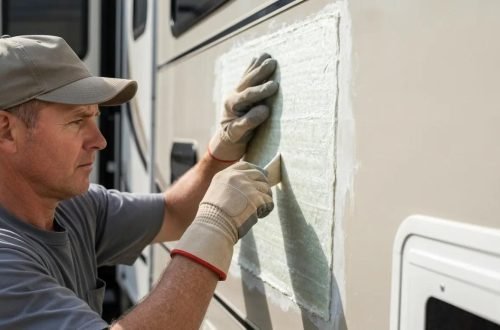
Even with great ventilation, leaks are often silent culprits. I make it a point to inspect my RV’s roof, windows, and seals every few months. A tiny crack in a sealant line can let in water that travels behind walls or under flooring, creating the perfect environment for mold.
Checking the roof is crucial. I look for soft spots, discolored areas, or any signs of sealant pulling away from seams. Reapplying a high-quality RV roof sealant once or twice a year helps prevent leaks before they start. Window seals should also be checked for gaps or brittleness, especially after a long, hot summer when rubber materials can dry out.
Inside the RV, I regularly inspect around plumbing fixtures, under sinks, and near water lines. If I detect moisture, I trace the source immediately. Quick fixes like tightening fittings or replacing worn hoses can save a lot of trouble later.
Managing Condensation from Daily Activities
Daily living in an RV produces more moisture than most people realize. Cooking, showering, and even drying clothes indoors all contribute. I’ve developed some simple habits to keep condensation from building up.
When cooking, I always run the vent fan and crack a window to let steam escape. Lids on pots also help contain moisture. In the bathroom, I keep the exhaust fan running during and after a shower, and I wipe down wet surfaces afterward. This prevents moisture from clinging to walls and curtains.
If you’re camping in cold weather, condensation can appear on windows and metal frames. I use insulated window covers to minimize the temperature difference that causes water droplets to form. Wiping down windows in the morning also helps prevent the moisture from seeping into curtains or window frames.
Cleaning and Disinfecting Regularly
Regular cleaning is another vital part of mold prevention. Mold spores exist everywhere, but they only grow when they find damp surfaces. I try to make my cleaning routine as thorough as possible.
I use a vinegar-and-water solution to wipe down countertops, bathroom surfaces, and even hidden corners. Vinegar is a natural antifungal agent and doesn’t leave harsh chemical residues. For tough areas, hydrogen peroxide or diluted bleach can be used, but I make sure the space is well-ventilated while cleaning.
Soft materials like curtains, bedding, and rugs can trap moisture, so I wash and dry them frequently. If I’m storing the RV, I remove textiles or pack them in airtight containers to prevent mildew buildup.
Maintaining Proper Air Circulation
Air circulation is one of the easiest and most effective ways to prevent mold and mildew. I make sure my vents, fans, and air conditioning systems are always clean and working efficiently. Blocked vents restrict airflow and trap humidity, creating damp pockets in the RV.
Ceiling fans and vent fans keep air moving even when windows are closed. I sometimes run them on low settings overnight in humid areas. In storage situations, I leave cabinet doors open to prevent stagnant air from building up inside. Airflow helps equalize temperature and humidity throughout the RV.
Managing Mold-Prone Areas
Some areas of an RV are more prone to mold than others. Bathrooms, kitchens, and storage compartments often require extra attention. I make it a point to inspect these zones frequently.
In the bathroom, I dry the shower stall after each use and ensure the vent fan runs long enough to remove steam completely. I also keep mildew-resistant shower curtains and avoid storing wet towels inside.
The kitchen can also be tricky, especially around the sink and under the refrigerator. Water leaks or condensation from cold surfaces can go unnoticed. I check these spots often and keep them clean and dry.
Storage compartments, especially those under the RV or near the wheel wells, are susceptible to moisture. I use moisture absorbers or desiccant packs inside them to control humidity.
Seasonal Mold Prevention
Each season brings different challenges when it comes to preventing mold and mildew. I adjust my maintenance habits accordingly.
In spring and summer, I focus on ventilation and humidity control since warmer weather can trap moisture inside the RV. I also inspect seals and roof vents before long trips. During fall, I clean out the storage areas and ensure everything is dry before temperatures drop.
Winter requires extra care, especially if I’m storing the RV. I drain water lines to prevent freezing and potential leaks. I also place moisture absorbers throughout the interior, leave cabinet doors open, and slightly open roof vents to allow airflow. These small steps make a big difference when I open the RV again in spring.
Addressing Mold Quickly
Despite your best efforts, mold can sometimes find a way in. If I notice mold starting to form, I tackle it immediately. Small patches can be cleaned with vinegar or a mild bleach solution. I scrub affected areas thoroughly and let them dry completely before closing up the RV.
If mold has spread or penetrated soft materials like wall coverings or insulation, I remove and replace them. Lingering mold can continue releasing spores even after cleaning. For large infestations, professional mold remediation may be the safest choice.
Preventing Mold During Storage
Long-term storage is when RVs are most vulnerable to mold growth. Before storing mine, I do a full inspection and deep clean. Every surface gets wiped down, and I make sure the interior is completely dry.
I open all drawers and cabinet doors slightly for airflow and remove anything that could retain moisture. Placing moisture absorbers in different parts of the RV helps maintain a dry environment throughout storage.
Covering the RV is important, but I use a breathable cover that allows air circulation. Completely sealing it with a plastic tarp traps moisture inside and can make the problem worse.
Using Technology to Help
Modern tools can make mold prevention easier. I use a small hygrometer to monitor humidity levels inside my RV. Keeping humidity below 50% greatly reduces the risk of mold growth. Some dehumidifiers even come with built-in sensors that automatically maintain ideal moisture levels.
Smart temperature and humidity monitors that connect to my phone allow me to check conditions remotely when the RV is stored. If humidity rises unexpectedly, I can take action before it becomes a problem.
Conclusion
Preventing mold and mildew in your RV takes consistent effort, but it’s worth every minute. A dry, fresh-smelling camper is not only more comfortable but also lasts longer and maintains its value. By managing moisture, improving airflow, and cleaning regularly, you can avoid the stress and expense of mold problems altogether.
I’ve found that once you build these preventive habits into your RV routine, they become second nature. Whether you’re living on the road full-time or taking occasional trips, a little attention to moisture control keeps your RV in top shape for every adventure ahead.