
Renovating an RV brings it back to life and gives it a fresh start, but the work doesn’t stop once the paint dries and the last screw is tightened. Regular maintenance keeps everything running smoothly and ensures that all the upgrades last as long as they should. After putting in the effort to restore an RV, I realized that maintaining it properly is just as important as the renovation itself. Without consistent care, even the most beautifully redone rig can start to fall apart faster than expected.
Creating a maintenance schedule and sticking to it makes all the difference. It helps prevent small issues from turning into big, costly repairs and keeps every system, from plumbing to electrical, in good condition. Over time, I’ve built a checklist that breaks maintenance tasks into weekly, monthly, seasonal, and annual routines.
Weekly Maintenance Tasks
Weekly checks might seem unnecessary if you haven’t driven much, but small inspections catch problems before they grow. I start with a visual walk-around, checking for any new dents, scratches, or signs of leaks. Even after a short trip, road debris and weather can cause subtle damage.
I also take a few minutes to test the lights, headlights, brake lights, turn signals, and interior bulbs. These may not seem urgent, but a dead light on the road can become a safety hazard.
Inside, I look over the water system to make sure there are no leaks around sinks or under the bathroom fixtures. A small drip can go unnoticed and lead to serious water damage over time. I also wipe down the kitchen area, appliances, and surfaces to prevent buildup of grease or dust.
The last part of my weekly routine involves checking tire pressure and tread condition. Properly inflated tires improve fuel efficiency and handling, and worn-out treads are an accident waiting to happen. A quick check every week takes only minutes but ensures safe travels.
Monthly Maintenance Checks
Every month, I take a deeper look at systems that require a bit more attention. I start with the batteries, both the house batteries and the one that starts the engine. I clean the terminals, check fluid levels if they’re not sealed, and make sure the connections are tight.
I test all the appliances, including the refrigerator, air conditioner, furnace, and water heater. If any of them start making unusual noises or take longer to run, that’s a sign they need servicing soon. Running each system regularly keeps them in good shape and prevents buildup from sitting unused.
I also clean the air vents and filters. Dust and lint accumulate fast in RVs, especially during long trips. A clogged filter can make the air conditioner work harder and raise energy use.
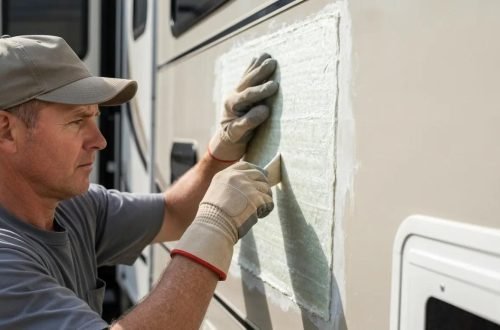
Next, I inspect the roof and seals. RV roofs are notorious for leaks if left unchecked, and after a renovation, it’s crucial to protect all the new materials inside. I walk along the roof, gently pressing around vents, skylights, and seams to check for soft spots or cracks. If I spot any gaps, I reseal them right away with RV-grade sealant.
Lastly, I lubricate the slide-outs and hinges. Moving parts need regular lubrication to operate smoothly. I use a dry lubricant on the slide-out rails and door hinges to prevent rust and friction wear.
Quarterly Maintenance
Every three months, I set aside a few hours for more detailed checks. This includes the plumbing system, propane lines, and undercarriage. I start by flushing the water heater to remove mineral buildup. It helps maintain heating efficiency and prolongs the life of the tank.
Then I sanitize the freshwater system. Even if the water tastes fine, bacteria can develop in the tanks and lines over time. I add a diluted bleach solution, run it through the faucets, let it sit for several hours, and then flush it out thoroughly. Clean water is vital, especially when traveling in remote areas.
For propane systems, I check for leaks by spraying a soapy water solution on connections. If bubbles form, that means gas is escaping and the fittings need tightening or replacement. Safety with propane can never be ignored.
I also crawl under the RV to inspect the frame, suspension, and brake lines. Road debris and moisture can cause rust or wear that isn’t visible from above. If I find any corrosion, I clean the area and coat it with rust inhibitor paint.
Finally, I check the generator and oil levels. Running the generator for about thirty minutes keeps it lubricated and prevents issues caused by inactivity. Changing the oil every 100 hours of use or as recommended by the manufacturer keeps it reliable.
Seasonal Maintenance
Seasonal changes bring their own challenges, so I adjust maintenance according to the weather. Before summer travel, I make sure the air conditioning system is working at full capacity. I clean the condenser coils and replace filters to improve cooling efficiency.
In the fall, I focus on preparing the RV for colder temperatures. I inspect the furnace, test the thermostat, and make sure the propane supply is full. If I’m planning to store the RV during winter, I winterize the plumbing system by draining all water lines and adding RV antifreeze.
When spring arrives, I de-winterize by flushing out the antifreeze and checking for any leaks that might have developed during storage. I also inspect the tires for cracks caused by cold weather and check all the fluids, engine oil, transmission fluid, coolant, and brake fluid.
Seasonal transitions are perfect times to deep clean the exterior. I wash and wax the RV to remove dirt and protect the paint from UV rays. If any decals or seals have started peeling, I fix them right away before moisture seeps underneath.
Annual Maintenance Tasks
Once a year, I dedicate a full weekend to go over every detail of the RV. I schedule a professional inspection for the engine and transmission if needed, ensuring everything runs smoothly. Oil changes, fuel filters, and spark plug replacements are all part of this yearly checkup.
I also test the brakes thoroughly, both the tow vehicle and the trailer brakes if applicable. Proper braking performance is essential, especially on mountain roads or when towing heavy loads.
Electrical systems deserve a closer look too. I check fuses, outlets, and wiring for signs of wear or corrosion. Loose or frayed wires can lead to power failures or even fires. I also inspect the inverter and solar system, if installed, to confirm that everything charges correctly.
For the interior, I take time to inspect furniture, flooring, and cabinets. Any loose screws, warped panels, or cracked fixtures get repaired before they worsen. Renovated interiors look great initially, but movement during travel can slowly loosen fittings, so tightening things periodically helps maintain their condition.
Finally, I perform a complete deep clean inside and out. Vacuuming behind furniture, wiping walls, and airing out the RV keeps it fresh and ready for another year on the road.
Keeping Track of Maintenance
To stay organized, I keep a maintenance logbook. Every time I complete a task, whether it’s topping up fluids or resealing the roof, I write it down with the date and any notes. This record helps me track patterns and know when each system was last serviced. It’s also helpful if I ever decide to sell the RV, as potential buyers appreciate seeing a documented history of care.
There are also mobile apps available for RV maintenance tracking, which send reminders for upcoming tasks. Having those notifications makes it easier to stay on schedule, especially during busy travel seasons.
Paying Attention to Renovated Features
Renovated RVs often include customized materials and upgraded components that need special care. For example, I replaced my old laminate counters with butcher block, which requires occasional oiling to keep the wood hydrated and protected. Similarly, if you’ve added luxury vinyl flooring or upgraded cabinetry, follow the manufacturer’s maintenance recommendations to prevent damage.
New electrical systems, solar setups, or battery banks also need routine inspection. I regularly check for loose wiring or corrosion at terminals. The same goes for modern plumbing upgrades, fittings can loosen slightly after long drives, and flexible hoses should be checked for cracks or bulging.
Paying close attention to the unique parts of a renovation ensures that every improvement continues to function well.
Preventing Long-Term Wear
Regular maintenance doesn’t just prevent breakdowns, it extends the overall life of the RV. I’ve found that small habits, like cleaning the awning after every trip or wiping down seals with conditioner, make a noticeable difference. These tasks take minutes but prevent mold, fading, and cracking over time.
Another habit that helps is operating every system periodically, even during storage. Running the generator, turning on the air conditioner, and flushing water through the pipes keeps everything functional. Idle systems tend to seize or deteriorate faster.
Storing the RV properly also plays a huge role in preservation. I park mine under a covered area with good ventilation and use wheel covers to protect the tires. Moisture absorbers inside help prevent mold and musty odors.
Handling Maintenance While Traveling
Maintenance doesn’t stop while on the road. During long trips, I perform quick checks every time I stop for gas. I look at the tires, check fluid levels, and make sure the awning, slides, and storage compartments are secure.
After arriving at camp, I inspect for any leaks or signs of wear caused by rough roads. Dust and dirt from off-road sites can clog vents and fans, so a quick clean-up helps prevent future problems.
Before heading back home, I empty and rinse the holding tanks, inspect undercarriage components, and note any issues to fix later. Handling small repairs as they arise prevents bigger headaches down the road.
The Importance of Routine
It’s easy to overlook maintenance when the RV is running well, but consistency is key. Small, regular tasks keep everything balanced and dependable. Renovated RVs, especially, deserve ongoing care to preserve all the effort and investment put into them.
A routine maintenance schedule doesn’t just keep the vehicle in top shape, it gives peace of mind. Knowing that everything from the roof to the tires has been checked lets me travel confidently, no matter how far from home I go.
Every squeak tightened, every seal inspected, and every filter changed adds to the longevity and reliability of the RV. Over time, that routine becomes second nature, ensuring that every journey starts with a rig that’s ready for the road and looking as good as the day it was renovated.