
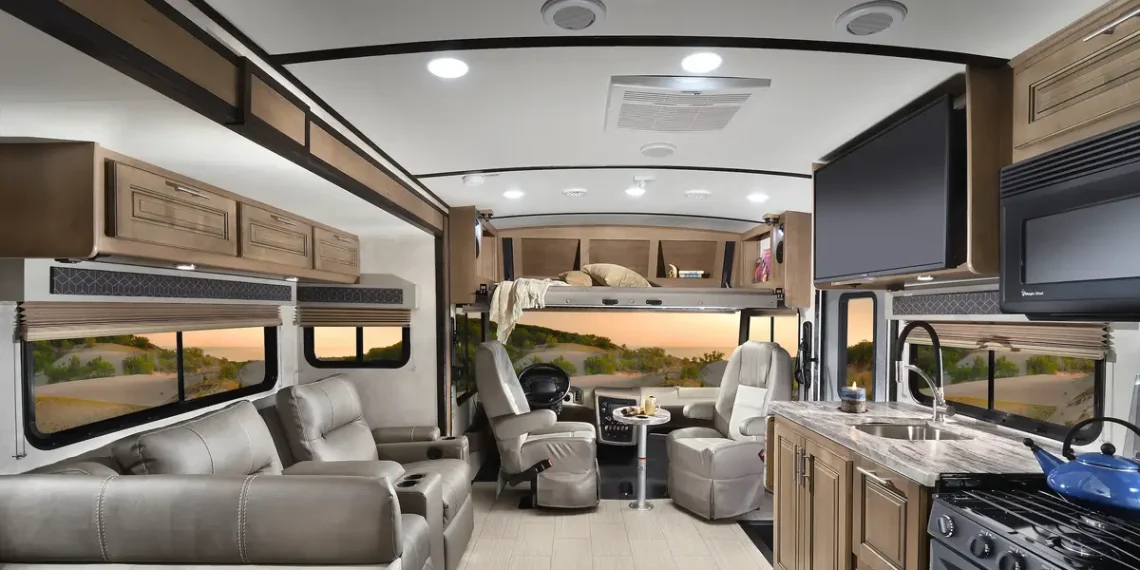
Ceiling damage is one of those issues that every RV owner eventually faces, especially if your rig has seen a few seasons on the road. Water leaks, humidity, and constant vibration can take a toll on the materials overhead. I’ve dealt with my fair share of ceiling repairs, and through experience, I’ve learned that with patience and the right tools, it’s absolutely possible to bring your ceiling back to life without calling in a professional.
This guide walks you through the process of repairing your RV ceiling from start to finish , from identifying damage to sealing and finishing it so it looks as good as new.
Identifying the Source of the Damage
Before picking up any tools, I start by figuring out what caused the damage. In most cases, ceiling issues stem from water leaks, either from the roof, AC unit, skylights, or vents. Sometimes, it’s just age-related wear, but leaks are the number one culprit.
I inspect the roof carefully, looking for cracked seals, missing caulking, or damaged rubber membranes. I also check around roof vents, antennas, and air conditioners, since those are common entry points for moisture. If the ceiling feels soft to the touch, sags slightly, or shows dark stains, that’s a clear sign of water infiltration.
Once the leak is identified, I always make sure to fix that before working on the ceiling itself. Otherwise, I’d just be setting myself up for another round of repairs down the road.
Gathering the Necessary Tools and Materials
Having the right materials on hand makes the process much smoother. For most RV ceiling repairs, I gather the following supplies:
- Utility knife or oscillating tool
- Screwdrivers and a cordless drill
- Putty knife and scraper
- Insulation (if needed)
- Replacement ceiling panels or vinyl wallpaper
- Adhesive spray or construction adhesive
- Sealant and caulk gun
- Sandpaper and paint or finishing material
I’ve also found it helpful to have a stud finder and measuring tape nearby since RV ceilings often hide wiring or crossbeams that you don’t want to accidentally puncture.
Removing Damaged Material
With tools ready, I start removing the damaged ceiling section. I use a utility knife to cut away any soft or sagging areas, making sure I get back to solid material. If water has soaked into the insulation, I pull that out too, since leaving damp insulation can cause mold or odor issues later.
In some RVs, the ceiling panels are stapled or screwed into wooden furring strips. I take care not to damage those strips since they’ll be reused to attach the new panels. It can get messy, but it’s worth taking my time here to ensure a clean, stable base for rebuilding.
Checking and Drying the Structure
Once the damaged material is out, I always inspect the substructure underneath. If any wooden beams or framing show signs of rot, I replace them with new wood. Then I let the area dry out completely , sometimes using a fan or dehumidifier for a day or two. Moisture trapped behind new panels will only lead to future headaches.
This drying step is crucial. Even if it looks dry to the touch, a few hidden damp spots can quickly spread and weaken the ceiling again.
Replacing the Insulation
After the space is dry, I install new insulation to match what was removed. Most RVs use thin foam boards or fiberglass batts, but I prefer foam board since it’s moisture resistant and easier to handle. I cut the foam to fit snugly between the furring strips, ensuring it sits flush with the surface so the new ceiling panels lay flat.
Good insulation not only improves comfort but also helps prevent condensation buildup, which can lead to new leaks or stains.
Cutting and Fitting New Ceiling Panels
With the frame prepped, I measure the area where the new panel will go. RV ceilings often use lightweight panels made of luan plywood, foam board, or vinyl-coated materials. I prefer vinyl-coated panels because they’re durable, easy to clean, and resistant to moisture.
Using a straight edge, I cut the new panel to the correct size, leaving just a small margin for adjustments. I dry-fit it in place before applying any adhesive to make sure it fits perfectly. If it looks right, I mark the edges for alignment and get ready for installation.
Installing the New Ceiling Panel
To attach the new panel, I apply a generous but even layer of construction adhesive or spray adhesive to the back. I carefully lift it into position, pressing it firmly onto the furring strips. Some people like to use small finishing nails or screws for extra security, but I find that a strong adhesive usually does the job well enough.
Once it’s in place, I run my hands across the surface to make sure it’s fully adhered and free of air pockets. If I need to join multiple panels, I make sure the seams are tight and even.
Sealing and Finishing Touches
After the new ceiling section is installed, I move on to sealing and finishing. I run a thin bead of caulk along the seams where panels meet or where they connect to the walls. This prevents air leaks and keeps the ceiling looking neat.
If the ceiling originally had a textured or painted finish, I match it as closely as possible. A light coat of paint can help blend new sections with the old, giving the entire ceiling a consistent look. For vinyl panels, I simply wipe them clean and admire the fresh appearance.
Repairing Ceiling Fixtures and Vents
In most RVs, ceiling repairs also mean dealing with fixtures like lights, vents, or AC ducts. I carefully reinstall them once the new ceiling is secure. Before reconnecting any electrical wiring, I make sure the power is off and check that all connections are dry and corrosion-free.
I also reseal any vents or skylights that were removed during the process. Proper sealing here is vital to prevent future water leaks. I use a high-quality RV roof sealant that stays flexible and withstands temperature changes.
Reinforcing Weak Areas
If I notice any spots that seem prone to sagging or flexing, I reinforce them with lightweight crossbeams or strips of plywood. This extra support helps prevent future sagging and gives the ceiling a more solid feel. It’s especially useful in older RVs where the ceiling materials may have weakened over time.
Adding reinforcement may take a bit more time, but it pays off when the ceiling holds up perfectly over long trips and temperature changes.
Preventing Future Damage
Once the repair is complete, I take steps to prevent the problem from happening again. Regular inspections are key. I check the roof and ceiling for leaks at least twice a year, especially after heavy rain or snow. I also reapply sealant to roof seams and around fixtures as needed.
Proper ventilation inside the RV is another crucial factor. Running a fan or vent while cooking or showering helps control humidity and reduces condensation that can cause ceiling damage.
Finally, I make it a habit to park the RV slightly tilted during storage, allowing water to run off the roof instead of pooling. Small preventive steps like these go a long way toward keeping the ceiling in perfect shape.
Cosmetic Upgrades After Repair
Once the functional repair is complete, I often take the opportunity to give the ceiling a little visual boost. Adding new trim, painting the panels a lighter color, or even installing decorative ceiling tiles can completely transform the RV’s interior.
For a modern look, I’ve used peel-and-stick faux wood panels, which are surprisingly lightweight and easy to install. They not only hide seams but also add warmth and character to the living space.
Repairing Fabric or Vinyl Ceilings
Some RVs come with soft-touch ceilings made from fabric or vinyl. Repairing these requires a slightly different approach. I remove the damaged fabric, clean the surface, and reapply new material using spray adhesive. I smooth out any wrinkles with a roller for a neat finish.
This method takes a bit of patience, but the result is a smooth, professional-looking ceiling that feels brand new.
Cost and Time Considerations
Repairing an RV ceiling doesn’t have to be expensive, especially if you do the work yourself. Depending on the materials used, most repairs cost between $100 and $500. The time investment varies depending on the extent of the damage, but I usually set aside a weekend to get it done properly.
What makes the effort worthwhile is the satisfaction of knowing the ceiling is solid, sealed, and ready for many more adventures.
Final Inspection
After everything is finished, I always do a detailed inspection. I check for any gaps, make sure the panels are secure, and verify that all fixtures are functioning properly. I also keep an eye out for any lingering moisture or soft spots that could hint at hidden problems.
Once I’m confident the ceiling is solid and sealed, I can relax knowing my RV is ready for the road again.
Conclusion
Repairing an RV ceiling might sound daunting, but with a methodical approach, it’s a project that any hands-on RV owner can tackle. Taking the time to locate the source of damage, properly dry and replace materials, and seal everything carefully ensures that the repair lasts for years.
Every step, from cutting new panels to applying the final coat of paint, brings a sense of accomplishment. Beyond just saving money, fixing the ceiling myself gives me the confidence to handle other projects on my rig. The next time a leak or soft spot shows up, I know I’ll be ready with the skills, tools, and patience to restore it to perfection.