Whenever I scroll through Instagram or browse design blogs, I’m always struck by how much creativity flows into RV interior design these days. What used to be basic cabinetry and standard finishes is now transformed into stylish, personalized homes on wheels. If you’re looking to overhaul your RV’s interior or just draw inspiration for a mini-makeover, following talented RV interior designers is one of the smartest moves you can make. I’ve collected a list of standout designers and creators whose work consistently inspires me, and whose ideas you can adapt to your own RV life.
Why RV Interior Design Deserves Spotlight
RV interior design isn’t just about pretty colors or trendy furniture. It’s about rethinking space, function, materials, and durability in a mobile context. I realized early on that designing for an RV is a very different game than designing a house. You’re dealing with weight restrictions, movement, temperature swings, and compact layouts. A good RV designer understands these constraints and still manages to turn the rig into something stylish and comfortable.
When I followed projects by pro designers, I began to see patterns: neutral palettes that make the space feel larger, smart storage solutions hidden behind sleek surfaces, and lighting plans that function as much as they decorate. These aren’t just aesthetic upgrades, they’re elevated interiors built for life on the road.
How I Use Designer Work for My Own Projects
Whenever I start planning a renovation, I lean on these designers’ work as a visual reference. I’ll screenshot elements I like, cabinet paint colors, wall textures, lighting schemes, and then map them to my own schedule and budget. It gives me confidence, and makes decisions less random. Instead of “let’s just change everything”, I say “let’s do this the way [designer name] did hers/his, but adapted for our rig”.
That’s why I believe following RV interior designers isn’t optional, it’s foundational if you want a transformation that both looks and works great.
Designers and Creators Worth Following
1. Katie Meder , Mountain Modern Life / Wanderful RV Interiors
Katie’s work stands out because she focuses on designing for RVs from the ground up, the layout, finishes, and the functional flow. Her blog, Wanderful RV Interiors, is full of tours and advice aimed at the home-on-wheels lifestyle. Wanderful RV Interiors
What I admire: she balances style and utility. Her interiors use natural textures, soft light, and thoughtful color palettes. If you follow her Instagram or blog, you’ll find a consistent theme: making the rig feel like a retreat, not just a campsite.
Tip: Use her posts to guide your color palette, wood tone, wall color, accent hardware, and then apply it to the zones of your RV.
2. Andrea Graves , DRV Luxury Suites Interior Designer
Though Andrea designs full-size luxury RVs, the principles she applies scale down. In a published interview she explained how she pulls inspiration from automotive, hospitality, and residential design to craft RV interiors. DRV Suites
She highlights that the interior must be clean, bright, and neutral so that owners can add their own touch. That’s exactly the mindset I use when I plan a space: start neutral, then personalize.
Tip: Check her projects to see how she layers lighting and finishes. Take note of how she uses veneer and lightweight materials to maintain durability without sacrificing look.
3. The Flipping Nomad (Instagram @theflippingnomad)
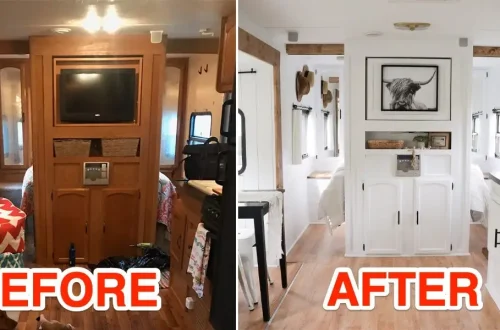
If you want real-world transformations, this one hits hard. The Flipping Nomad renovates RVs into stylish homes, documenting every step. Their Instagram feed is full of before-and-after shots and practical remodeling tips. Instagram
What stands out: they operate at the intersection of design and full-scale renovation. As someone who’s done my share of DIY, I appreciate seeing how they tackle floors, cabinets, lighting, everything.
Tip: When you’re ready to upgrade flooring or hardware, scroll through their feed and screenshot finishes that appeal to you, then source similar products.
4. Our Lively Tribe (Instagram @ourlivelytribervrenovations)
This team travels full-time, renovates RVs, and shares candid posts about both the lifestyle and the design. Their YouTube channel and website document multiple rig overhauls. Instagram+1
Why I love them: they design with families in mind, storage, durability, comfort. Their projects prove that you can combine lifestyle (kids, pets, travel) with high design.
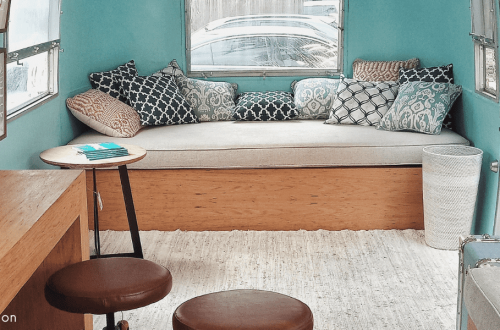
Tip: Use their work when you’re looking to implement practical design features, drop zones, built-in benches, storage under seats, that still look good.
5. Carlene Duffy – Designer cited in industry article
While not RV-exclusive, Carlene’s commentary in House Beautiful about mobile interior design is full of great takeaways. She emphasizes custom millwork, hidden storage, and natural materials even in small mobile spaces. House Beautiful
What I takeaway: Even if a designer isn’t RV-specific, their principles (texture, layout, lighting) apply. Carlene’s emphasis on layer lighting and storage gave me ideas for how to elevate my own RV interior.
Tip: Use her ideas to think “upscale” within the RV context, premium materials in a smart-weight version, hidden compartments disguised by design.
6. Sarah Baeumler – Broad RV Interior Inspiration
Sarah’s insights, such as choosing a theme that reflects your personality, fabrics suitable for life on the road, and optimizing storage, are directly applicable to RV interior design. Go RVing Canada
I found her point about bedding especially relevant, investing in quality linens makes the bed feel like a retreat, not just a place to crash.
Tip: Before you dive into heavy materials, take her advice: pick your theme, choose fabrics based on your travel conditions, and think storage first.
What I’ve Learned from These Designers
When I broke down what made the above creators stand out, I noticed common threads. These are lessons I apply when I’m planning my own interior upgrades:
- Neutral base + accent touches: Most of the designers start with a clean, airy backdrop, light walls, consistent flooring, muted cabinets, then add personality.
- Layered lighting: Movement, switches, task lighting, ambient glow, they all matter. I’ve re-wired my RV lights with this in mind.
- Durable materials adapted for mobility: Many designers talk about materials that can handle vibration, moisture, and heat. That’s why weight matters.
- Storage disguised as design: Hidden compartments, built-in benches, furniture with dual functions, they create space and style at once.
- Personalization on top of structure: The designers give you the canvas; your life and travels add the artwork. Using open shelves with curated items makes the space yours.
How to Follow and Use These Designers for Your Own RV
- Create a visual board: On Pinterest or your phone, save screenshots of their interiors you admire, cabinet colors, lighting schemes, layouts.
- Match your layout: Compare elements you love with your RV’s floorplan. What can you realistically implement?
- Budget mindfully: Designers often show high-end finishes. Look for similar but cost-effective options that match your budget.
- Check functionality: Before replicating looks, ask: Can this material or lighting survive travel conditions? That’s where RV-specific designers shine.
- Adapt, don’t copy: Use the inspiration as a guide, not a rulebook. I find my own style blends designer ideas with what works for my lifestyle.
- Follow them actively: Many designers post stories, behind-the-scenes, and Q&A sessions. They answer questions about tools, materials, layout tweaks.
My Favorite Recent Interior Trends I Spotted from These Designers
Since following the above creators, I’ve noticed some trends I think are worth keeping an eye on:
- Light wood with matte black accents: The contrast adds modern edge without feeling heavy.
- Soft, natural textiles instead of synthetic upholstery: I’ve replaced dated seat cushions with linen blends and noticed a big comfort upgrade.
- Open shelving replacing some upper cabinets: It adds visual height and allows display of meaningful items.
- Integrated lighting strips under benches or along ceiling edges: This subtle lighting makes evenings in the RV feel like a boutique hotel.
- Functional aesthetics: Items like kitchen hardware, hidden outlets, and seamless faucets are chosen both for style and practicality.
How I Applied Designer Inspiration to My Own RV
In my most recent RV upgrade, I used several design cues from the creators above:
- I painted all cabinetry a soft off-white and used matte black pulls, mirroring Katie’s clean palette.
- I installed LED light strips under seating, following the lighting layering concept from Carlene’s commentary.
- I replaced bulky upper cabinet doors with open shelves in the dining area, something I picked up from Our Lively Tribe’s family-friendly design.
- I selected durable flooring planks rated for RV use and edged them in light oak to keep continuity from floor to trim.
- Everywhere I added storage, I disguised it with design features, like a bench with lid seating and internal compartments, mirroring the smart storage approach many designers use.
Because I followed a few specific designers’ work, I didn’t feel lost during the process. Every decision felt intentional, not random. That’s the power of following great RV interior designers.
Final Thoughts
If you’re looking to uplift your RV interior, the first move is to set aside time to follow and study designers who specialize in this unique space. The creators I listed above will give you endless inspiration, but more importantly, they’ll teach you to think like a designer: in terms of layout, lighting, materials, and personalization.
For me, the biggest payoff wasn’t just how my RV looked, it was how I felt inside it. Walking into a space that feels consciously designed changed how I use the rig, how I rest in it, and how I travel with it. And that’s what every RV interior designer I follow seems to aim for, a space that’s not just beautiful, but usable, meaningful, and aligned with the life you’re living on the road.
Now it’s your turn: pick a designer or two, dive into their work, and then ask yourself how you can translate those ideas into your RV. The journey of design begins with inspiration, but what truly makes the space yours is action.